By Chastity Elgin, inspired by the work of Dr. Orlando Rivera
What happens when the sirens stop? When the radios fall silent and the uniform is no longer part of your daily routine? The uniforms won’t be the only thing left taking up space in your house. While you can get rid of the uniforms, unfortunately you can’t get rid of the days and nights that you wore them, to places you can’t forget. Most people assume we clock out and move on. But for paramedics, the end of a shift doesn’t mean the end of the impact.
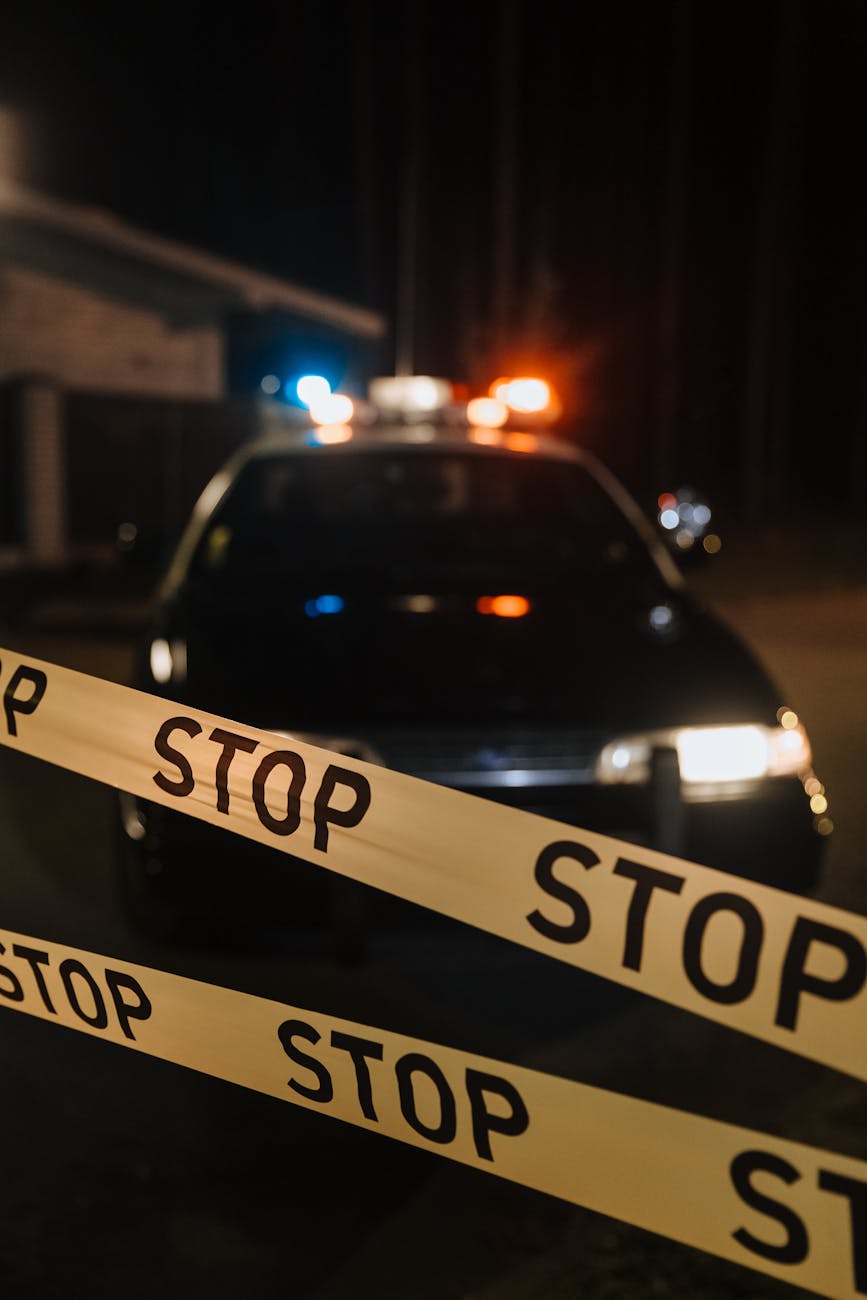
We carry it home. We carry it forever.
Years of running toward chaos leaves a mark—and not just on the soul. Our bodies are often the first to show signs of collapse. My knees don’t bend the way they used to, I mean they bend, but not with ease. They grind more than they bend. My back sends warnings every morning I try to get out of bed, or on the way home from a shift, often when I get in my car and get still, my back aches or burns as a reminder of the weight I’ve lifted during the day. I don’t feel at the time I lift or everytime I put a stretcher in the back of the truck, because Its something I have to do , so I push myself to do it. At the end of the day, when my back sets, like the milk in my son’s room, left in a cup on his nightstand overnight. the damage isn’t just mine—it’s a pattern I see in all of my co-workers. Herniated discs, chronic pain, surgeries postponed until retirement (or until insurance finally approves them). Did I mention, the hearing loss from years of sitting under a siren, that is meant to be heard for miles away, before approaching traffic. I mean, if the siren can be heard from miles away, imagine what it does, when you are sitting under it for years? Health Insurance companies aren’t always open to getting hearing aids for this hearing loss either, so some of my coworkers have paid out of pocket for hearing aids.
The body remembers every patient, every call, every moment spent wrestling with the weight of both people and pressure.

The Emotional Toll
But the real scars? They’re the ones you can’t see.
Every paramedic has a reel of memories we don’t talk about. Children we couldn’t save. Families we had to console. The haunting stillness of a failed resuscitation. Something about the air is different, when you are at a wreck, where someone has died. I can’t explain it, but the only way I could even start is by Stillness, and Slow Motion. The Screams of families, or friends become so loud, and while I try to have the least amount of interaction with family of the deceased, because I know that I will hear the screams later, or wake up in the middle of the night with nightmares from the replay , I try to be empathetic, and I try not to make Eye contact with the spouses of the elderly, or the mothers and fathers of the teens. I feel like I have disappointed them as a medic that was supposed to save their child, of their spouse of 20 years. I know it isn’t my fault, but I often critique myself harder than anyone ever could. I take the blame, and while Ive learned that sometimes, there is absolutely nothing that could have changed the outcome, but just God himself, I add every call to an internal roster so to speak. A roster, that is like a reel on social media, where the timer to the next video shows up, starting in 5 seconds. Every patient, every call, every address. You learn to compartmentalize because the job demands it—but those compartments crack over time.
Even off-duty, you don’t turn off the instinct to be alert. You are always in fight or flight mode, and what happens when the body decides to not be in fight or Flight mode after so long of being there? my therapists explained to me that when we are use to being in Fight or Flight mode for so many days at a time, when you take a vacation, or when you have moments that you are are enjoying a hobby, you body might shut the fight or flight mode off, but you become so sleepy, that you feel like you took a benadryl, or something to knock you out, Because the mind isn’t running wide open. The moments are rare when this happens, but I have personally assumed that I had took the wrong medication or Thought my sugar must be low before, only to find out from my therapist that this is when the body , mind and Soul shut the motor off for a minute, and the brain relaxes. Hypervigilance becomes second nature. Sleep is interrupted by the ghost of sirens and adrenaline. I hate to call patient’s ghost, but their faces, and their words often come back in flashes, or memories at any given moment to interrupt you as well, and when retirement finally arrives for some, it’s not freedom—it’s fallout.
The Silence Around It
What breaks my heart the most is how little we talk about it. There’s pride in being tough, in pushing through. But that pride is costing us our people. I’ve seen medics struggle in silence, drinking to forget, or being self-destructive in relationships, and affairs to try and fill the broken spot in their heart , or isolating to cope. Most of us take medication to help with anxiety and depression, or anxiety attacks during the day and something at night to help us sleep.

We lose too many good people not just to heart attacks and injuries, but to burnout, depression, and even suicide. Everytime we loose someone to suicide, one of the most common things I hear, is how they were smiling, and happy, or didn’t act like anything was wrong, and Im not surprised, because we are tough on the outside, and tough on the inside, but none of us want anyone to know when something is wrong, because it makes us look weak, and looking weak Is one of the last things we want. We have to be strong for everyone else, we don’t have time to look weak. It’s a stigma, that needs to be broke, but unfortunately, we will loose too many of our co-workers before the stigma is completely gone. This profession demands everything. We just never expected it to take us too.
We are all about solving problems, and putting pieces of puzzles together, so here’s the problem, and solution…….
We need to talk about this. We need to support each other—not just in the field, but long after we leave it. We need the system to do better by us: mental health resources, physical support, real retirement care—not just a plaque and a pension. I can’t tell you how many of my recent coworkers have retired, gave 20 years or more of their life, pieces of their body, heart and soul to our local ambulance service, that is hospital based, with over 7000 employees, and they didn’t even get a plaque, didn’t even get any recognition or dinner. While we are working for a different organization now, that seems to care more, this particular hospital is only about numbers, and don’t give a second thought or thanks that you are left with scars and wounds that will never be healed, and memories that will replay forever, at any given time. So don’t give your whole being to EMS, don’t break your back, or wear down all of the cartilage in your knees. At the end of the day, it is so true that they will just post your job when you die, and they don’t care how you end up dying either, so don’t give up. Keep moving, and keep check on your strong appearing friends, because we have to be strong for each other.
If you’re a paramedic reading this, take care of yourself now—not later. Don’t wait until your body breaks or your mind shuts down to ask for help.
And if you love a paramedic—listen to them. Encourage them. Help them get the care they deserve.
Because once the sirens fade, what’s left is us, and we are worth saving too.
Thanks!- Chastity Elgin
 Stitches of My Heart