Tag: enough

  • “God’s Love doesn’t come in Sizes”

    Photo by DS stories on Pexels.com

    Introduction: A Look Back at My Pinterest Board

    Lying in bed on a Sunday night after church, I started scrolling through my Pinterest and noticed a new button to organize my pins. Out of curiosity, I began sorting through them—years’ worth of saved thoughts, ideas, and dreams. That’s when I realized that many of them dated back over 13 years. It made me feel a little old, sure, but more than that—it broke my heart.

    So many of those pins were about one thing: weight loss. “How to get skinny,” “shed belly fat fast,” “10 ways to lose 10 pounds”—pin after pin, all with the same goal. I wanted to be smaller, thinner, less. I loved to eat, but I hated going up a size in jeans or shirts. Most of those posts came from around the time I had my children. I started out at 110 pounds before becoming a mom, and the weight was hard to lose.

    I wouldn’t trade my children for the world—they’re the reason I gained the weight, and I’d do it again a thousand times—but I struggled deeply with how I saw myself afterward. I hated the way my stomach rolled when I sat down or bent over. I avoided anything that wasn’t a long T-shirt or baggy pants. I would stoop a little or suck in my stomach, even when my husband wrapped his arm around me at night.

    I saw my reflection in pictures or mirrors and couldn’t stand how round my face looked. I tried every starvation diet on the market. I counted every single calorie—down to the Cheetos. I tried drinking a gallon of water a day. I even searched, more times than I care to admit, how long I could go without eating.
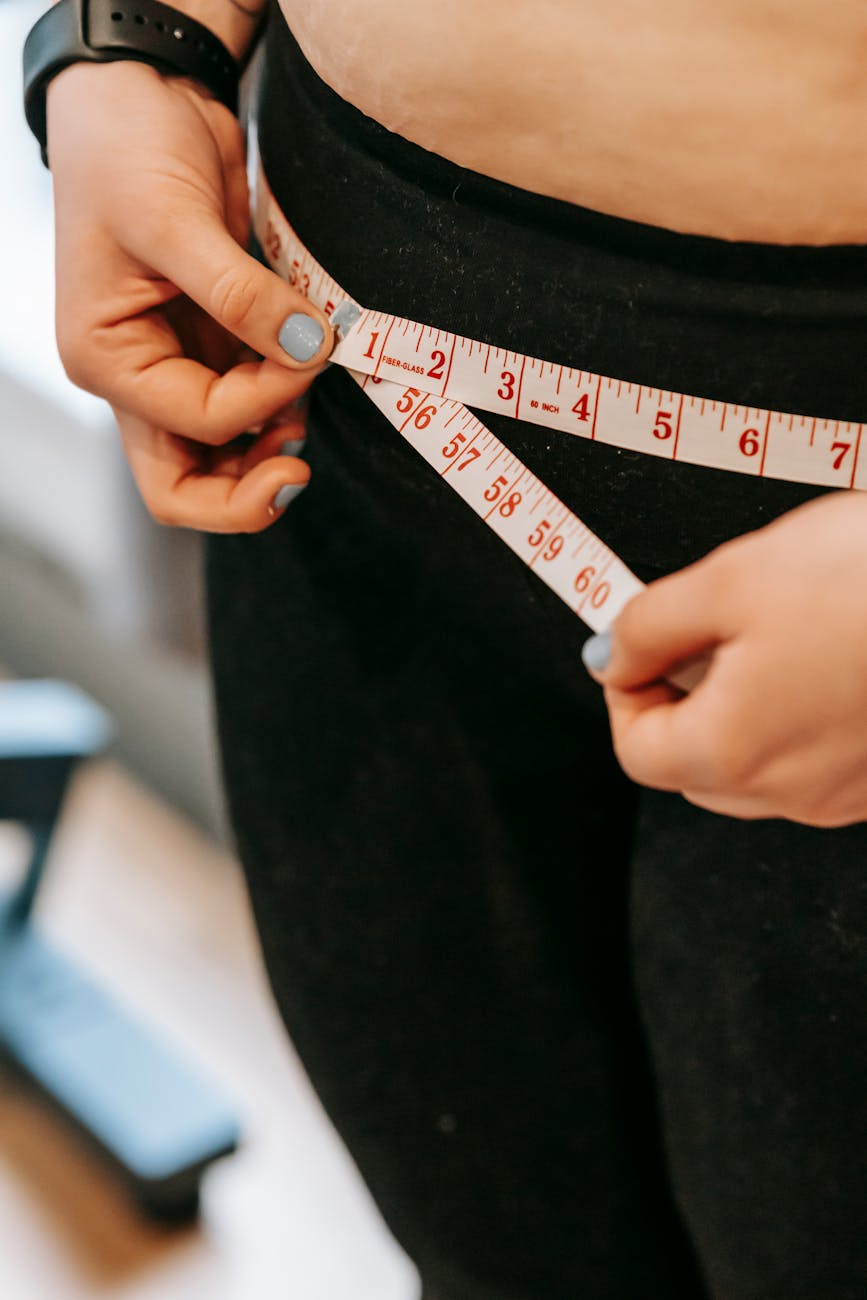

    Photo by Andres Ayrton on Pexels.com

    The Struggle Behind the Pins

    Each pin was more than just a picture or a diet plan—it was a reflection of how deeply I struggled with my self-worth. Looking at them now, it’s almost embarrassing. I had so many hairstyles and looks pinned too. Some of them are straight out of the early 2000s—broad highlights, “Karen” cuts—but that’s what was trending back then. I just wanted to feel pretty. I wanted to be attractive for my husband, and to be clear—he never said I wasn’t. But still, I carried guilt. Guilt for eating a cookie. Guilt for one too many Doritos.

    I would have rather gone three days without eating a bite, or survived on less than 100 calories, just hoping I’d drop the weight. Sometimes I’d scroll through Facebook or MySpace, searching for a treadmill someone might be giving away. But when I finally got one, I had starved myself so badly I didn’t even have the energy to walk on it.

    No matter what I tried, the weight didn’t come off. And even worse—I didn’t feel any better.

    If only I had stopped focusing so much on losing the weight and started finding my real worth. The truth is, it wasn’t fat I needed to lose—it was the mindset I needed to change.

    I wasn’t just chasing a number on the scale; I was chasing approval, confidence, and peace in my own skin. I thought if I could just lose the weight, I’d finally feel beautiful, accepted, and enough.

    The truth is, I was already enough.

    I just couldn’t see it—because the devil knew my weakness, and he used it against me. He whispered lies that kept me from seeing myself the way God saw me.

    The more I chased “skinny,” the emptier I felt.

    I starved not only my body, but my spirit. I felt like I was always falling short—like my worth depended on whether my jeans fit or if I could hide the parts of me I hated. I envied women who seemed effortlessly confident. I compared my postpartum body to airbrushed influencers and forgot that my body had done something miraculous—it had carried life.

    The scale dictated my mood. Food became a cycle of guilt and shame. And even though I had a loving husband, beautiful children, and a God who never left me—I couldn’t see past my flaws long enough to truly feel loved.

    Looking back now, I know: It was never about weight. It was about identity.

    I knew I was saved, but I let the devil convince me I still wasn’t enough.


    The Turning Point: A Spiritual Awakening

    A few years ago, I started getting deeper into my Bible. I prayed more, sought God more, and slowly, I drew closer to Him. One night while reading, I kept coming across verses about strong, virtuous women—passages that emphasized character over appearance. Over and over, God was reminding me that outward beauty wasn’t what mattered most.

    Then it happened—one of those moments where your soul feels like it’s been hit with truth. I got chills down my spine. It was like God was whispering, “I see you. I made you. You are enough.”

    I remembered something my pastor once said: “We don’t need self-help books. The Bible has all the answers we need.”And that stuck with me. In that moment, I realized something powerful—I was enough for Jesus to die for.

    My stretch marks? They weren’t shameful. They were reminders of the miracles I carried—my beautiful children. And in that moment, I decided: I would never intentionally starve myself again.

    I don’t always eat perfectly. Working on the ambulance makes it tough to plan healthy meals. But I no longer punish my body. I eat when I’m hungry. I drink water—not obsessively, just enough to care for myself. I watch my sugar, not out of guilt, but because I want to be healthy—not smaller.

    And the craziest part? By treating my body with kindness instead of hate, I’ve naturally returned to the size I was before I got pregnant with my son—almost 15 years ago. No starvation. No obsession. Just grace.

    I used to weigh myself three times a day—every single day. Now? I hardly ever touch a scale. Because I finally understand: God doesn’t care if we’re a size 0 or a size 20. He cares about our hearts.

    So if you’ve ever felt like you weren’t good enough—know this: That lie comes straight from the devil.

    God’s love is unconditional, and your worth has never been tied to your waistline.

    “Don’t be concerned about the outward beauty of fancy hairstyles, expensive jewelry, or beautiful clothes. You should clothe yourselves instead with the beauty that comes from within, the unfading beauty of a gentle and quiet spirit, which is so precious to God.”
    ‭‭1 Peter‬ ‭3‬:‭3‬-‭4‬ ‭NLT‬‬

    I want you to hear me clearly: You are already enough.

    Not because of your size. Not because of your looks. But because God says you are.

    I pray that if you’re reading this and feel seen in these words, you’ll start to believe what I finally did:

    You are loved. You are chosen. You are enough—just as you are.
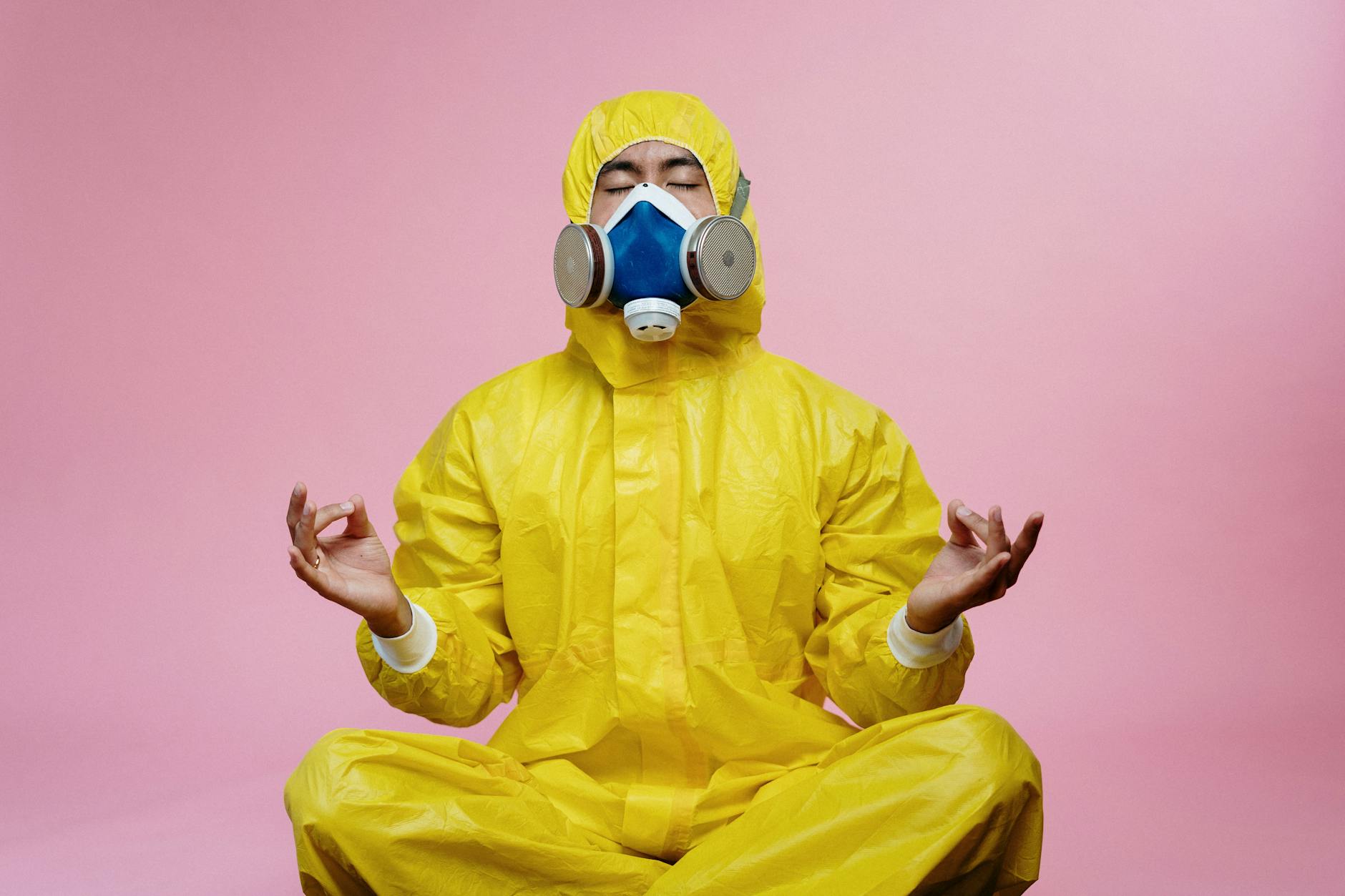
  • Paramedics and Mental Health: A Critical Discussion

    I’ve been a paramedic in Mississippi since 2014. I’ve seen a lot in those years—accidents, heart attacks, overdoses. I’ve handled death, comforted families, and kept moving forward because that’s what we’re trained to do. You learn to compartmentalize the chaos. You build a shell.

    But in 2019, when COVID-19 arrived, nothing could have prepared me for what came next.

    At first, we didn’t know what we were dealing with. One case here, one there. Then the calls started coming in faster, and suddenly, the radio never stopped. The hospital bays filled. People were gasping for air. Families weren’t allowed in. And despite everything we knew, everything we tried, people kept dying.

    And the worst part? There was nothing I could do to stop it.

    That helplessness—it stays with you. It’s different than anything I had faced before. This wasn’t just about one bad call, or one bad shift. It was day after day of watching people slip away, often alone, and then stepping outside into a world that didn’t always seem to care or even believe it was happening.

    This blog is about what happens to people like me—and maybe people like you—when the trauma doesn’t stop after the sirens go quiet. It’s about Post-Traumatic Stress Disorder, but not just the kind we hear about from the battlefield. It’s about the invisible wounds healthcare workers carry. The chronic stress. The moral injury. The soul-deep exhaustion.

    It’s about what trauma does to the brain, how it rewires your body, your mind, and even your sense of self. And it’s about how we can heal.

    Because if no one talks about it, we just keep suffering in silence.

    For years, I couldn’t figure out my niche—what message I was supposed to share, or who I was meant to reach. I looked at what people cared about, what problems needed solving. And then, I looked in the mirror.

    “I looked in the mirror….”

    The number one problem I kept running into wasn’t out there—it was inside me. My mental health. My own struggles. Some days are great. Some days are not. There are mornings when I wake up with a pit in my stomach and nights when my mind won’t stop racing. Some smells or faces trigger flashbacks—old scenes that replay like a bad dream I never asked for. I’ve had panic attacks in silence, moments when I felt like I couldn’t breathe, couldn’t cope, couldn’t keep going.

    “ Of Course, I take meds, and I go to therapy, but….”

    Yes, I take medication. Yes, I go to therapy. But I’ve still wrestled with anxiety, depression, and even thoughts of ending it all—not because I wanted to die, but because I didn’t want to keep hurting.

    But my faith in Jesus has anchored me. He has been my steady place when nothing else made sense. My love for my children and the deep knowledge that they need me has kept me grounded when the waves felt too strong. The waves are rough, and even more so, when you are drowning. Jesus is my anchor though, so He wouldn’t let me drown, and He won’t let you either, but you have to let Him fight for you, you can’t do it on your own. 

    I’m writing this because I know I’m not the only one. I want people—especially healthcare workers who’ve walked through trauma they can’t even name—to know they’re not alone. I want to shine a light on what so many of us keep hidden. I want to break the silence around PTSD, anxiety, and the mental toll of being the strong one for everyone else. We try to fix everyone else, we go to work when we are tired, and we struggle through shifts helping others when we are just struggling to take the next patient, but if it’s one thing I know, you can’t help others if you don’t help yourself.

    If you’ve ever felt the way I have, I want this blog to feel like a safe space. A reminder that your pain is real, your healing is possible, and your life still matters—more than you know.

    What even is PTSD?

    PTSD is a psychiatric disorder that can occur in people who have experienced or witnessed a traumatic event such as a natural disaster, serious accident, terrorist act, war/combat, rape, or other violent personal assault. But it also includes chronic trauma—like what many healthcare workers experienced during the COVID-19 pandemic.

    According to the Diagnostic and Statistical Manual of Mental Disorders, Fifth Edition (DSM-5), PTSD is diagnosed when a person has been exposed to actual or threatened death, serious injury, or sexual violence in one or more of the following ways:

    Experiencing repeated or extreme exposure to details of traumatic events (like first responders repeatedly seeing the aftermath of accidents or deaths)

    Directly experiencing the traumatic event

    Witnessing, in person, the event as it occurred to others

    Learning that the event occurred to a close family member or friend.

    Diagnosis? Symptoms? I know you have heard those words, but probably haven’t found a way to relate them to your own life?  

    For a diagnosis, symptoms must last more than a month and cause significant problems in daily life. These symptoms fall into four categories:

    1. Intrusive thoughts – unwanted memories, flashbacks, nightmares.
    2. Avoidance – staying away from reminders (people, places, conversations).
    3. Negative changes in thoughts and mood – feelings of shame, guilt, numbness, or detachment.
    4. Changes in physical and emotional reactions – being easily startled, on edge, irritable, or having difficulty sleeping or concentrating.

    But here’s what I’ve learned—PTSD isn’t always obvious, and it doesn’t show up just in flashbacks or nightmares.

    There were times when I felt overwhelmed in a crowd—church services, grocery stores, even family gatherings. The sound of voices, footsteps, background noise… none of it had changed, but I had. Sounds that weren’t even that loud started to feel magnified, almost unbearable. I’d feel the tension in my body before I even understood what was happening in my mind. Sometimes, I had to leave a place without explanation, just to catch my breath.

    I didn’t connect it to PTSD at first. I just thought I was anxious, moody, or maybe just “off.” But the more I learned, the more I realized: the anxiety, the depression, the random crying spells, the exhaustion from sleepless nights—all of it was my nervous system still fighting battles long after the trauma had passed.

    On bad days, it’s like everything hits at once. I get physically sick from the emotional weight. I cry easily. I snap at my family even when I don’t mean to. And then I feel guilty for not being stronger. But now I understand: this is how trauma lingers. It doesn’t just live in the mind—it lives in the body.

    But the truth is, PTSD doesn’t always look the same in everyone. And sometimes, people don’t even realize they have it—because the symptoms feel like “normal” responses to stress, grief, or burnout.                      

    “It’s not about being weak. It’s about being wounded. And wounds can heal—but only when we name them”

    Common Causes and Misconceptions

    PTSD isn’t only caused by one horrific event. It can be caused by prolonged exposure to traumatic environments. That’s something I wish more people understood—especially in the medical field. Sometimes, PTSD can’t be pointed back to one particular event. It shows up when you go to the thrift store with yours kids, and you are standing in a long line, waiting to check out, to hear a crying child, or someone in a store is staring at you. What is worse, you think everyone is looking at you, your senses become heightened, and everything seems to be loud, the radio station in the store seems to have the most annoying music, and the door bell at the dollar store is getting on your nerves. You feel like you are taking too long to get your wallet out of your purse, and before you know it, you are so mad, and just ready to get home.  No one was probably actually staring at you, and some days you might not have even noticed the door bell in the store, but today you do, because you have stuffed all of the emotions from work inside. You have work multiple deaths at work in the past week, with no time to cope, just clean the ambulance, restock, do the paperwork and go to the next call. It all eventually has to come out at some point, with PTSD, you never know when it will show up.  I believe one of the worst instance, that I can think of, was going to one of my children’s birthday party’s. We went to a hibachi place, where they cook the food in front of you, on a fire. One of the cooks close by had cooked something and burnt it. The music, the crowd, the flames, and the smell. It was all too much. I had just worked a call that week, in which a young person wrecked, and burnt up in the car. The smell at the scene, the sirens, the lights and all the thought running through my head begin to surface at that very moment.  I struggled to work through it, but I had to. I had no other choice. 

    It’s not just the call where everything goes wrong. Sometimes it’s the 100 calls that wear you down over time. It’s the shift where you’re out of ambulances, out of ventilators, out of time, and you still have to keep going.

    Some common causes include:

    • Combat exposure
    • Sexual or physical assault
    • Childhood abuse
    • Serious accidents or injuries
    • Medical trauma—both as a patient and as a provider
    • Living or working through a pandemic

    Misconception #1: “You have to have a breakdown to have PTSD.”

    Truth: Many people with PTSD function well on the outside. They go to work, care for their families, and show up smiling—while battling constant anxiety, flashbacks, or emotional numbness inside.

    Misconception #2: “It only affects weak people.”

    Truth: PTSD is not a weakness. It’s a human brain doing its best to survive something that was too overwhelming to process in the moment.

    Misconception #3: “Time heals all wounds.”

    Truth: Time helps, but healing from PTSD requires more than time—it takes awareness, support, and often professional help.

    Understanding PTSD is the first step in healing from it. If you see yourself in any part of this, you are not broken. You are responding in a very real way to very real pain. And you’re not alone.

    PTSD isn’t something you just “get over.” It’s something you learn to live with, understand, and begin to heal from—one day at a time. I’ve had to come to terms with the fact that my trauma didn’t leave visible scars, but it still left wounds. Wounds that still ache sometimes. Wounds that still bleed when triggered.   As a heathcare professional, or not, you wouldn’t just put a band-aid on a laceration that needs stitches, you wouldn’t put pour salt in an open wound, PTSD is no different. We can’t just cover up our emotions, and not think they won’t eventually come out somewhere else.  All to often though, we remain strong for everyone else, when in truth, we are dying on the inside. We are falling apart, piece by piece, and no one knows it. 

    But I believe healing is possible—not just physically or emotionally, but spiritually, too.

    “But he was pierced for our transgressions, he was crushed for our iniquities; the punishment that brought us peace was on him, and by his wounds we are healed.”

    — Isaiah 53:5

    That’s the promise I hold on to. Not that I won’t struggle, but that I won’t struggle alone. Healing is a process—and I’m walking through it with faith, honesty, and hope that someone else reading this might find their way too.

    -Thanks for reading.

    Chastity Elgin NRP