My journey with PTSD has been a long and tiring one, but it’s a path I’ve walked with the guidance of faith and Jesus. The struggles have been real, but so has the comfort and strength I’ve found in my beliefs.
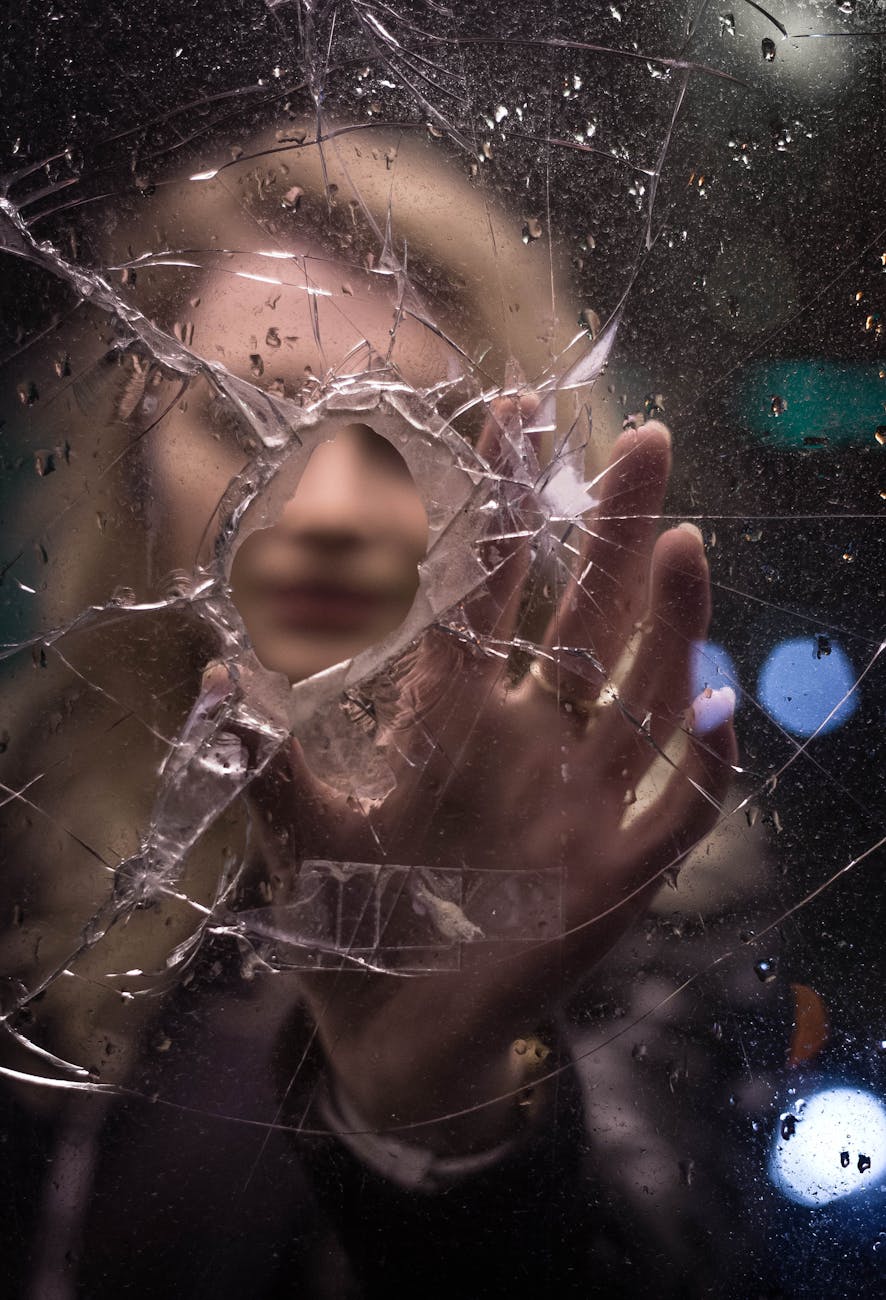
For me, coping with PTSD has meant leaning on my faith and finding comfort in the teachings of Jesus. It’s not always been easy, but it’s a journey I’m grateful to be on.
Through my experiences, I’ve learned that I’m not alone in this struggle. Many others have walked this path and found hope and healing.
Faith can be a Powerful Tool
- Faith can be a powerful tool in coping with PTSD.
- Personal experiences can shape our understanding of faith and resilience.
- Coping mechanisms are crucial in managing PTSD struggles.
- Finding comfort in faith can lead to healing and hope.
- Resilience is built through perseverance and support.
My Battle with PTSD Begins
As I reflect on my journey, I realize that my battle with PTSD began with a series of traumatic events that changed my life forever. I have left work before and cried so hard that I couldn’t see to drive. I even went and left my house to go to a bingo game, with a bunch of elderly folks to try and clear my mind. It didn’t work, I just left and cried, and prayed, and truly thought my life would never be the same. I didn’t want to ever go back to work again. I didn’t want to close my eyes because I didn’t want to see the vision of what I had just saw again. These experiences not only affected my mental health but also tested my faith and resilience. I was mad, and angry at God, and I felt less of a person for being mad at Him. How could I be so mad, and angry at the one that I loved, trusted, that loved me enough to die for me?
The Traumatic Events That Changed Everything
The traumatic events I endured were life-altering, leaving A terrible mark on my heart and soul. The memories of those moments still linger, a constant reminder of the struggles I’ve faced. My heart has wounds that I don’t know will ever heal.
That was the moment my life was forever divided into “before” and “after.”
It was as if time had stood still, and everything that followed was a struggle to regain what was lost. Laughing, crying, even hearing a joke—it all felt wrong. We were pulling the remnants of a child’s life from a destroyed vehicle: schoolwork, a little girl’s purse, a coloring page she had made for her mom. Her name was written in crayon inside a black-and-white composition book. We grasped at these small things, trying to gather whatever we could so her mom would have something left.
With every piece of evidence we retrieved, another piece of my heart broke.
I had to be strong. I couldn’t show my pain or my emotions. We had to bring these belongings to her mother, who was still in the hospital. There was no time to be upset—I had to brush it off and keep moving. We placed everything in a black garbage bag. Even a single house shoe, soaked from the rain, felt like a dagger to my heart.
How could this have happened? Why her? Why an innocent child taken so soon?
So many thoughts rushed through my mind as I imagined how her day must have gone before the accident. I couldn’t understand it. I didn’t have time to process it. I still had a shift to finish. I told myself I’d try to deal with it later, but I felt sick—nauseous and angry. Everything around me felt like it was moving in slow motion.
I’ve seen people die. I’ve watched them take their last breath. I’ve even pronounced loved ones dead before. But this… this was different.
My heart physically hurt in my chest. My whole life felt like it would never be the same.
Texts and calls from coworkers only made it worse. I know they meant well, but nothing anyone could say would make it better. Truthfully, I just wanted to be left alone to deal with it my own way. My mind was like a shattered puzzle. Even if I tried to put it back together, some pieces were missing. And if my heart, soul, and mind were a puzzle—there would never be a piece that fit the hole this left behind.
This was a turning point for me.
I already had PTSD from COVID and other calls I’d been on, but nothing had ever felt like this. Maybe it was because the patient was a child. Maybe it was because I had let my guard down. Or maybe the devil was playing on my weakness. But I was broken.
I wouldn’t wish that feeling on anyone.
The only thing I can compare it to is the moment someone realizes they are dying—and they know it. I couldn’t close my eyes without seeing her face, hearing the sounds, or remembering the scene. I’ll never forget the looks on the firefighters’ faces—men I’d worked with for years. We all wore the same blank stares. The air itself felt different, like something in all of us had changed.
There was nothing any of us could have done.
But it was the definition of tragedy.
When the Symptoms First Appeared

The symptoms of PTSD didn’t show up all at once.
They crept in gradually, like a shadow that slowly swallowed my life.
At first, it was just a constant sense of anxiety—hypervigilance that never let up. But it didn’t stop there. It grew into something deeper, heavier—something that paralyzed me emotionally. I couldn’t talk about it with anyone. No one could truly understand.
I remember walking into my grandma’s house, where my mom was sitting, and I just lost it. I broke down crying—so hard it didn’t even feel like crying. It was more like gasping for air, grasping at something to hold onto in a storm I couldn’t escape. I wanted to explain what I was feeling, but how could I? There weren’t words for it.
My mom tried to be empathetic. She told me I did all I could do. But that wasn’t the issue.
The issue was that I saw it. I was there.
There was no filter, no way to block out the images burned into my mind. I hated blinking. I hated closing my eyes, even for a second—because the scene would come flooding back.
Worse, I still had to drive past the place where it happened.
Every time I went through my hometown, I’d pass that spot.
And I hate to admit this, but sometimes, I pulled over. I stopped, just to look. Just to see if there was anything—anything—left behind that I could salvage for her family.
I know it might not make sense, but in my mind, if I could’ve found something—anything—it might have brought me a tiny bit of closure.
But instead, I saw the road markings.
The orange spray paint the officers used to mark the impact points. Those marks felt like fresh wounds every time. Another dagger to my already shattered heart.
I kept trying to figure it out.
What went wrong? What happened in that moment?
No one really understood why it affected me so deeply.
After all, it’s what I signed up for… right?
The daily struggles of PTSD were overwhelming.
Simple tasks became daunting challenges. The world around me felt chaotic—loud, fast, and unforgiving.
I remember being in church the Sunday after the accident. Everything felt too much. The noise, the crowd, even the music—it was all so loud. Then I saw her.
A woman sitting in front of me was holding her little girl. Such an innocent, tender moment—but to me, it felt like a nightmare. In that moment, I saw her again.
The little girl we lost. And all I could think was, I bet her mom would give anything to hold her again. But she can’t.
That thought consumed me, and suddenly, I was angry.
I rushed to the restroom, desperate to calm down. I held a cold, wet cloth to my face and chest, trying to stop the welts from forming, trying to slow my breathing. Panic had taken over.
But I couldn’t stay in the bathroom. I had to go back out. My own children were waiting, and I still had to drive us all home.
So, I did what I’d been doing since that day. I sucked it up.
It was a constant battle—to find peace, to feel normal again, to find comfort in the midst of turmoil.
But how?
The Darkest Valley
I found myself in the darkest valley of my life. The memories and flashbacks were relentless, making everyday tasks a significant challenge. Sleep was the worst, or lack of. No one would ever have guessed that when I laid down at night, sometimes I wouldn’t go to sleep, until the sun was starting to come up. I didn’t want to ever re-live that scene. i wish it had been as easy to do though as realizing what i needed to do, and actually doing it. I had to keep my mind busy.

Hitting Rock Bottom
It was an overwhelming experience, and there came a point when traditional coping methods failed me. I felt lost and without direction. i kept working, i even worked extra shifts, and with every tone that came out, i hoped it wouldn’t be that call that would do me in for good. i had to still play the part, i had to still be the mom, and wife that i had been prior to the accident, and i was tired. i felt like i was in a hamster wheel that was spinning, with no way to get off. everyday felt like i was a robot going through the motions.
When Traditional Coping Methods Failed
I tried various techniques to manage my symptoms, but nothing seemed to work for long. The failure of these methods left me feeling hopeless. Some of the methods I tried included:
- Seeking support from EMS friends and family, which I was limited on what I said, but I tried to vent.
- Engaging in physical activities, cleaning the house , rearranging furniture, organizing my pantry.
The Isolation of Trauma
The trauma I experienced led to a deep sense of isolation. i could be in a room full of folks, and still feel alone. our place of employment actually had us go talk to a grievance Counselor before we ever returned to work, after that call, but unfortunately, i felt like talking to her, had to be filtered, because i don’t know if she had really had much experience in this Sort of trauma. i know they hear A lot of messed up stories, and situations, but i don’t know if it could truly be Comprehended, without having experienced it, or without having worked in emergency medicine.
Feeling Misunderstood and Alone
It was as if no one could truly understand what I was going through. This feeling of being alone was one of the darkest aspects of my journey. However, it was during this time that I began to turn to faith in challenging times and found Jesus as my source of comfort.
In the midst of this darkness, I found peace with my faith. It became a glimpse of hope, guiding me through the valley.
I never expected to ever be able to get it out of my mind, but that’s exactly what happened.
Faith and Jesus Are My Reason for Making It Through My Struggles with PTSD
As I navigated the complications of PTSD, it was my faith and connection with Jesus that served as my guiding light. This journey wasn’t easy, but with faith, I found the strength to face each day. i begin to not feel like i was in a war, or that my mind wasn’t a battlefield. sure, i had days that were hard, or something would make me think about it, but it didn’t consume me.
The Moment Everything Changed
The turning point came when I realized that I wasn’t alone in my struggles. It was during a particularly difficult moment that I felt an overwhelming sense of peace, a feeling that I now attribute to my faith in Jesus. i felt like He told me it was okay, to let it go, or it was okay to not be okay, and that i could get through it. the one popular verse that we hear from the time we are little, ” I can do all things through Christ which strengthens me.” Philippians 4:13. I realized that He could get me Through it. I wouldn’t ever get myself Through it, and I begin to have the thought that He allowed me to be there, because he knew that He would show me, that my strength comes from Him alone.
Finding Hope When It Seemed Impossible
hope seemed like a distant memory. Yet, it was in those moments that my faith was tested and strengthened. I began to see that even in the darkest times, there was always a glimmer of hope, a light that guided me forward. He was the light, He is the Light, and there is no darkness in Him. Nothing could have been as tragic as Him being nailed to a cross, beat, and whipped with thorns on his head. He was misunderstood, His mission, and His plan to save us all. They didn’t believe him, and they couldn’t understand him. He must have felt alone, he must have been angry, and I could now see that the feelings I felt, was a reminder that his trauma, and his tragedy was for a cause. He was saving us, but who saved him?
Jesus as My Constant Companion
One of the most comforting aspects of my faith has been the realization that Jesus is always with me. This companionship has been a source of strength and comfort, reminding me that I’m never alone in my struggles.
Never Walking Through the Darkness Alone
With Jesus by my side, I feel a sense of companionship all the time. This feeling was summarized in a powerful realization: “I am not alone; Jesus walks with me through the darkness.” It was a reminder that even in the most isolating moments of PTSD, He is always with me.
My journey with PTSD is ongoing, but with faith and Jesus as my foundation, I feel more equipped to handle the challenges that come my way. Key aspects of my faith-based healing include:
- Prayer as a means of coping with anxiety and flashbacks. I pray all day. I never say AMEN, because I talk to Him, like a run on sentence, with no end. I pause, but as I go about my everyday, I know he’s always there. I know I can just pick up where I left off, when I am talking to him.
- Embracing Jesus’s example of enduring suffering with compassion and strength
These elements have not only provided me with comfort but have also given me the motivation to continue on my path towards healing. Whether I ever heal completely or not is questionable, but in my weakness, he makes me strong.
Finding Strength in Faith During Challenging Times
Through my struggles with PTSD, I’ve found comfort in the teachings of the Bible. The journey hasn’t been easy, but faith has been a crucial element in my recovery.
Biblical Teachings That Resonated with My Pain
The Bible contains numerous accounts of individuals who faced immense suffering and hardship, yet found strength in their faith. One teaching that resonated deeply with me is found in Psalm 34:18, which says, “The Lord is close to the brokenhearted and saves the crushed in spirit.” This verse reminded me that I am not alone in my pain.
Scriptures That Became My Lifeline
Certain scriptures became my lifeline during the darkest moments. For instance,
“Even though I walk through the darkest valley, I will fear no evil, for you are with me; your rod and your staff comfort me” (Psalm 23:4)
a sense of peace and reassurance that God Is with me.
Jesus’s Example of Enduring Suffering
Jesus’s own experience of suffering on the cross is a powerful example of enduring pain with faith. His willingness to bear the weight of our sins teaches us about the redemptive power of suffering.
Learning That Pain Has Purpose
Embracing faith has not eliminated my struggles with PTSD, but it has given me the strength to face them with hope.
Prayer as My Lifeline for Coping with PTSD
Prayer has been my lifeline, providing strength as I navigate the complexities of PTSD. It has become a Part of my daily routine, helping me to stay grounded and focused.
Morning Prayers Set the Tone for My Day
Starting my day with prayer has been particularly impactful. It sets a positive tone and provides a sense of calm and purpose. I often pray for strength, guidance, and protection, asking God to be with me throughout the day’s challenges. I pray that he helps me not miss things, or gives me the words to say, when I don’t know what to say. I pray that others see Him in me, and when I let a curse word slip, or when I let anger, or other emotions creep in , I pray that he help me with self control. We are all human, but I feel like we have to know the difference in being human, and when the devil is trying to take control in our lives. he knows our weaknesses, and he will play on them. He doesn’t want us to be close to God.
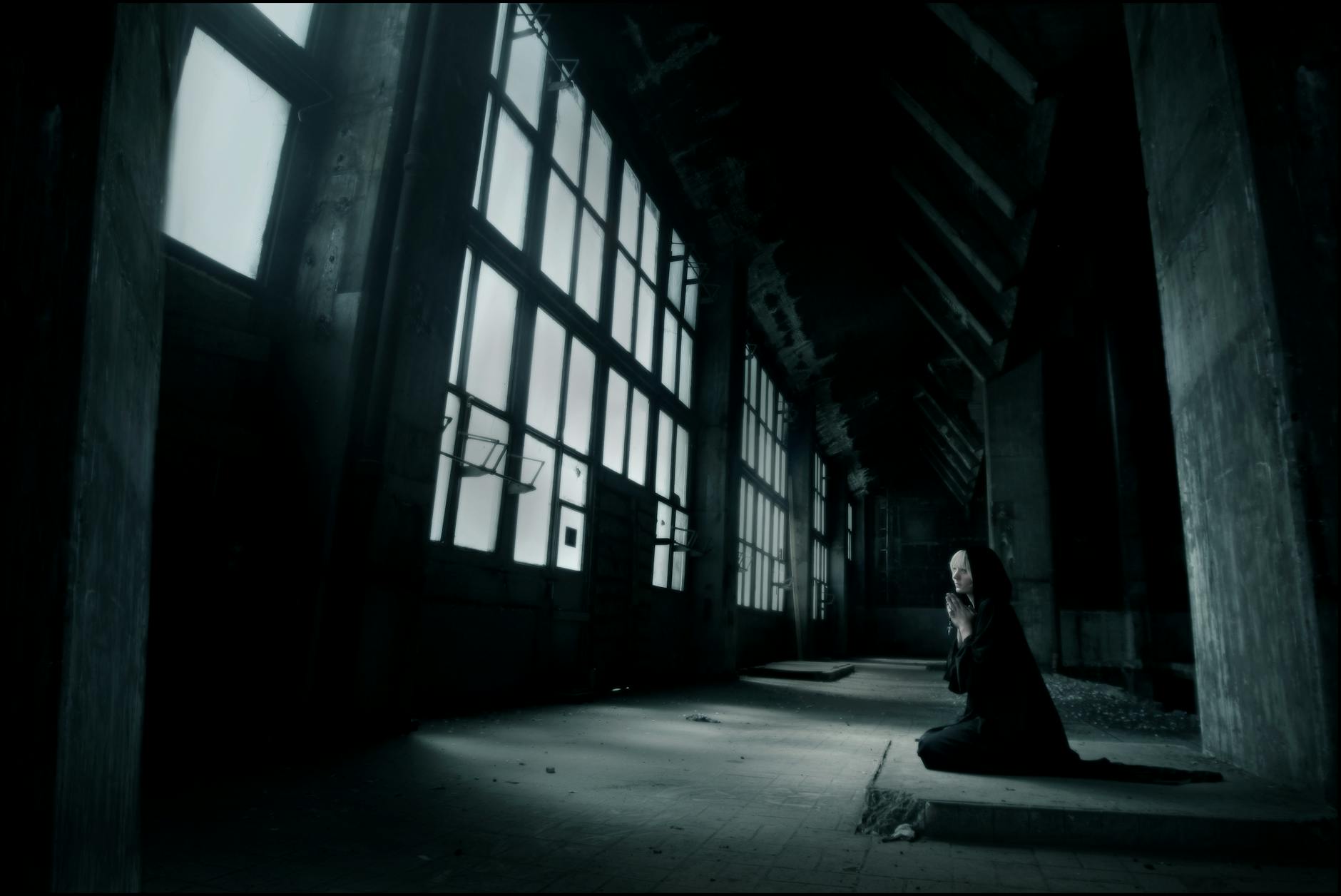
How Prayer Rewired My Trauma Responses
Prayer has, over time, helped to rewire my responses to traumatic memories and anxiety triggers. By consistently bringing my fears and worries to God, I’ve experienced a gradual decrease in my trauma responses.
Jesus is my Source of Comfort.
The Comfort That Surpasses Understanding
This comfort wasn’t just a feeling; it was a deep assurance that surpassed human understanding. It is a reminder that I am not alone in my struggles.
Integrating Faith with Professional Treatment
My journey has taught me that faith and professional treatment are not mutually exclusive; rather, they complement each other. Seeking help from mental health professionals and deepening my faith has proved to be a powerful combination.
“For I know the plans I have for you,” declares the Lord, “plans to prosper you and not to harm you, plans to give you hope and a future.” (Jeremiah 29:11)
This verse often brought me comfort during difficult times.

“Love each other as I have loved you. Greater love has no one than this: to lay down one’s life for one’s friends.” (John 15:12-13)
When Doubt and Symptoms Return
There have been times when the symptoms of PTSD have returned, bringing with them doubt and fear. It’s in these moments that holding on to that faith can sometimes feel like a challenge, but remember, that is the devil, that wants to bring you back to that dark place. he can’t win, because I am a child of GOD.
Conclusion: Living as a Testament to His Grace
My journey with PTSD has been long and challenging, but it’s been transformed by the power of faith and Jesus. Through the darkest moments, Jesus has been my source of comfort, providing peace and strength in the midst of turmoil.
As I reflect on my journey, I’m reminded that faith and Jesus are not just about overcoming adversity but about finding purpose and meaning in the midst of it. My story is a testament to the grace I’ve experienced, and I hope it inspires others to find comfort and healing in their own struggles.
By sharing my story, I aim to encourage those who may be struggling with PTSD to explore the role that faith can have in their healing journey. Jesus is my source of comfort, and I pray that it may be the same for others.
Thanks for reading!
God Bless you! Chastity Elgin





 Stitches of My Heart