Tag: trends

  • Understanding the Heart of EMS: A Personal Perspective

    Being an adult in EMS, With my own commentary of an article I saved 10 years ago . Ive been a medic since 2014. I came into the field of EMS not on purpose, it was just a calling, a placement. I didn’t know I’d be a paramedic, matter of fact, I thought when I was little, and growing up that I’d be a school teacher or work somewhere with my own office, that I could decorate pink , and have cool pens, and post-its. I do have A lot of pens now, pens everywhere, and my post-its come in the form of silk tape, or whatever I can write on. Sometimes, its a gauze package, or top of a container that my lunch was in.


    I saved this article in my notes over 10 years ago. As I read through it today, I find myself adding my own thoughts and experiences to each piece of advice. Over the years, I’ve had the opportunity to precept many new medics, and I absolutely love it. There’s something inspiring about seeing the eagerness and excitement of new providers. I genuinely love helping others, and I believe God blessed me with the gift of discernment. I can often tell when someone isn’t meant for EMS — whether it’s a lack of nurturing spirit or a missing sense of genuine care for others. I can see it clearly.

    Back in 2012, I was in my early twenties, just beginning my journey toward earning a college degree. Following my advisor’s guidance, I was taking core classes for an associate’s degree and had begun prerequisites for nursing school. As electives, I took First Aid and CPR classes — and it was during First Aid that I discovered a strong interest in emergency care. My advisor suggested I enroll in the EMT Basic course, but at the time, I had no idea what I was getting into. I thought it would just be another medical class.

    From the very first night, I realized this wasn’t just a course — it was a pathway to certification and a real career. With every class, my excitement grew. I became passionate about learning how to make a difference. Despite applying to nursing school multiple times — even being selected as an alternate — I kept facing rejection. Meanwhile, during EMT training, I completed clinicals and ambulance ride-alongs.

    EMS was a whole new world for me. I grew up sheltered — so much so that I wasn’t even allowed to watch shows like The Simpsons or King of the Hill. I had no real understanding of how harsh the world could be. Meeting EMS providers, I found a group of people who, despite their rough edges, shared a deep desire to help others. They treated me like family, and for the first time, I felt like I truly belonged. I learned from them that even when we can’t fix everything, we can still try.

    My motivation to learn was deeply personal, too. My mom had suffered a stroke a few years earlier and battled multiple sclerosis and diabetes. I was determined to learn everything I could about her conditions — and later, about the seizures she began having — so I would always be ready to care for her if needed.

    After completing EMT Basic, I applied to the paramedic program — and to my surprise, I was accepted on my first try. Looking back, I realize that all the rejections from nursing school weren’t failures — they were God’s redirections. His plan for me was not what I had imagined, but it was exactly what it needed to be.

    I’ll never forget my paramedic program interview. Sitting before the director and a panel of senior medics, I shared my simple, heartfelt reason for wanting to become a paramedic: I wanted to help people and make a difference. They laughed gently and said, “They’ll eat you alive.” To them, my idealism might have seemed naive, but it was (and still is) the truth. I wanted to learn as much as possible about the human body, about cardiac rhythms, about how to intervene when emergencies happened — so that if God ever needed me, I would be ready to be His instrument.

    I was shy and often unsure of myself throughout training. I cried before my first skills check-off, hiding in the bathroom until my instructor came to find me. I’m forever grateful that she did. She believed in me, and deep down, I knew the skills — I just needed to believe in myself. I passed every check-off.

    Through clinicals and field experiences, I met more EMS folks — and again, they made me feel like family. There’s something unique about EMS culture that’s hard to explain: We can meet as total strangers and within hours be sitting together at a table, sharing stories. We bond through shared experiences — we laugh, we listen, and we understand each other.

    EMS is not about flashing lights and sirens. It’s about answering calls in the middle of the night, walking into a stranger’s home, and doing everything possible to help. It’s about crawling down embankments to reach someone trapped in a crushed car, holding C-spine until firefighters can cut them free. We don’t do this for the money — far from it. We do it because we care. We face situations so heartbreaking and surreal that you couldn’t even make them up if you tried.

    This calling, this bond, this purpose — it’s something that can’t be taught in a classroom. It has to come from the heart.


    1) You aren’t required to know everything. More than likely you will never know everything, actually you will get to the hospital and give report, only for your patient to give a whole different complaint than they Gave you. don’t let that discourage you.

    2) You are required to know the foundational knowledge and skills of your job. No excuses. You do however have to know your skills, and you need to be knowledgable of medications, and side effects, and always stay up to date on new trending medications , because drugs like the new ozempic drug causes some side effects that are less desirable, and you need to know these, because I Guarantee, you will get calls from these side effects.

    3) Always be nice. It’s a force multiplier. I don’t care if you are having a bad day, or if you stayed up late before your shift, you need to be nice, even if you have to bite your tongue, they called you because they needed help, whether it’s an actual emergency or not, they are depending on you and your reaction. Drug dealer, or preacher, it shouldn’t matter how you treat them.

    4) There is no greater act of trust than being handed a sick child. Scratch out the part of being handed a sick child, because you aren’t going to be handed a sick child, the mom, or caregiver will more than likely throw you the child before you can get out of the ambulance good, so be ready. You don’t have time to realize it is a child, it’s just a smaller adult, and you need to go into Paramedic mode, you will have time later, whether it’s on your way home to realize you were handed this child, or what actually happened, for now, just concentrate on the fact that you were trusted with a sick child.

    5) Earn that trust. YES! Earn That trust, know what you need to do, don’t second guess yourself, Tuck your shirt in, look confident, even if you are scared to death, don’t let the patient or family see that you are scared. Stand tall, and talk with confidence, even if you had to google the condition or problem that you were responding to. They are trusting you, and when they called 911, they were depending on you and your knowledge.

    6) Don’t ever lie to your patient. If something is awkward to say, learn to say it without lying. You are going to have to answer the question of “am I going to be okay?”, and you are going to be looked dead in the eye by a patient that is dying, and told “Don’t let me die”, when you often are spending the last minutes of their life with them. Don’t tell them they are dying, but don’t lie, just tell them you are going to do your best to not let this happen, but sometimes, their is nothing you can do to stop it, just try.

    7) Read Thom Dick’s, People Care. Then read it again. I can’t say that I read this book, so I don’t Actually Know what it’s about …

    8) You can fake competence with the public, but not with your coworkers. The public might not know that you don’t have a clue what to do, but your coworkers will know, and you can be sure that they will remember it, and hopefully a seasoned medic will teach you, or show you where you messed up, or how to fix it. Too often some medics are burnt out, and they will just judge you. Don’t let this discourage you, learn from your mistake, research and study what you don’t know.

    9) Own your mistakes. We all make them, but only the best of us own them. Everyone makes mistakes, they are lying to themselves if they say any different. Do better though, learn where you messed up, and take constructive Criticism. Take all of the education oppurtunities you can. You must want to know more. You never stop learning. You shouldn’t anyway.

    10) Only when you’ve learned to own your mistakes will you be able to learn from them.

    11) Experience is relative. While it is relative, it is not everything, I know some medics that have been a medic for 20 plus years and some of the new medics know more than they do. You must learn by experience, otherwise, its Just another call.

    12) Proper use of a BVM is hard and takes practice. If you don’t seal a BVM correctly, you aren’t doing any good. You have small hands, admit it, and ask one of the EMRS, or Fire to help you hold it, so you get a good seal, otherwise you absolutely are doing a useless job. You are literally just going through the motions, and not doing a dang thing else.

    13) OPAs and NPAs make using a BVM less hard. Have you ever tried to blow air into a pool Float, without squeezing it open? OPAs and NPAs are like squeezing the opening to let the air in. Don’t work harder, work smarter.

    14) Master the physical assessment. Nobody in the field of medicine should be able to hold a candlestick to your physical assessment skills. Be able to look at a human body from head to toe, and realize when something looks off. You might respond to chest pain, only to realize Your patient has excess fluid in their abdomen, or swollen hands and feet. This swelling pushes up on the chest, and might even be a severe back call. You Won’t realize this without a full assessment.

    15) Keep your head about you. If you fail at that, you’ll likely fail at everything else. Don’t get distracted, keep you head on a swivel, otherwise, you might not realize you are in danger. Always be observant. Never stand in front of a door, stand to the side, and be cautious of windows.

    16) There is a huge difference between not knowing and not caring. Care about the things you don’t yet know. This is huge, you might not know the answer, or you might not have known that your altered patient fell 2 days ago, but you have to care, listen to them, and communicate with family that knows them, they will often tell you A lot. Some useless Information, but some very valuable.

    17) Train like someone’s life depends on it. Train like you are running a marathon. Learn how you equipment works, and Be Familiar with your truck. memorize it inside and out. Know where everything is, so that when you have seconds to make a difference, you don’t know where something is, or how it works. Watch you tube videos or listen to podcast, whatever it takes to mean the difference in life or death.

    18) Drive like nobody’s life depends on it. You want to drive safe, you want to pay attention to other drivers, because you may see them, but they are not going to necessarily stop because you have lights and sirens. Some folks have no idea what to do when they see an ambulance. If you are driving like an idiot with your partner in The back, they can’t take care of patient.

    19) Pet the dog. (Even when you’re wearing gloves.). Ha Ha, I always pet the dog, unless it’s wanting to kill me, or sees me as a threat.

    20) Have someone to talk to when the world crashes down. Don’t be afraid to vent, you matter, and I promise you are going to want to have someone that will listen. It may be a therapist, and it may be a coworker. You family probably Won’t understand, but don’t keep it inside, it will destroy you.

    21) Let human tragedy enhance your appreciation for all that you have. You will see things that are tragic, but let it change the way you see life. Capture the sunrise, capture the sunset, visit your grandma, and realize how things can change in an instant. Don’t take the little things for Granted.

    22) Check the oil. If the ambulance don’t have oil in it, you might not make it to the next call. You have to respect your equipment, because if the ambulance won’t go, you can’t get them to the hospital. If the ambulance don’t have oil, you can’t get to the Emergency.

    23) Protect your back. It will quite possibly be the sole determining factor in the length of your career. Raise the bed, Raise the stretcher, Get your patient to assist in moving if they can. I promise your back will hate you later, if you pull, tug, and lift more than you needed to. Work Smarter, not harder.

    24) Say please and thank you even when it’s a matter of life or death. Respect goes a long way. your patient’s will Remember that you were nice to them, and that you had manners.

    25) Wipe your feet at the door. Don’t track mud into a strangers house. Would you want someone to come in your house, and track mud and dirt all over your floor ?

    26) When you see someone who is really good at a particular skill say, “Teach me how you do that.” Always learn. Always take advice from others, you might figure out a better way to do something.

    27) Nobody can give you your happiness or job satisfaction. It is yours and yours alone. And you have to choose it. If you hate your job, you will not do your best. It doesn’t matter what ambulance service you work for, if you hate it, find something Else to do , or Somewhere else to go, Because the last thing someone who is having a horrible day needs, is someone showing up that hates being at work.

    28) We can’t be prepared for everything. Actually, you won’t every be fully prepared for everything, nothing could prepare you for some of the things you will see, or do.

    29) We can be prepared for almost everything. you can expect the worst though, and make sure you have what you need for what you know.

    30) Check out your rig. It’s more meaningful that just confirming that everything is still there. If you don’t check out your ambulance, I can assure you, you will need something that won’t be there. The excuse of not checking out your truck won’t matter to the patient, or their family.

    31) Tell your patients that it was a pleasure to meet them and an honor to be of service. Sometimes they won’t be a pleasure, and you are just ready to drop them off at the local hospital, but don’t treat them with disrespect. Self Control goes a long way. Don’t take their words personal when they are mean, they don’t feel good, and sometimes, conditions like UTIs can really effect the level of meaness.

    32) Mean it. Be Kind, they might not experience kindness from a single Soul but you.

    33) Keep a journal. My journal is my blog, and it really makes a difference in getting your feelings out.

    34) Make it HIPAA compliant. Don’t use names or identification in it, you don’t wanna loose everything you got, on being careless.

    35) Thank the police officer that hangs out on your scene for no good reason. Always be appreciative of your help. They didn’t have to be there. They are like family too.

    36) Recognize that he or she probably wasn’t hanging out for no good reason. They might know more about a situation than you do, so appreciate them hanging around to make sure you are okay.

    37) Interview for a job at least once every year, even if you don’t want the job.

    38) Iron your uniform. You might not iron, I Don’t, but look professional, and don’t wear wrinkled dirty clothes to work. You need to look the part.

    39) Maintain the illusion of control. Nobody needs to know that you weren’t prepared for what just happened.

    40) Apologize when you make a mistake. Do it immediately.

    41) Your patient is not named honey, babe, sweetie, darling, bud, pal, man or hey. Use your patient’s name when speaking to them. Sir and Ma’am are acceptable alternatives. In the south, this is a hard one, but try to call your patient by name, they will respect you more for speaking to them by name.

    42) Forgive yourself for your mistakes. Don’t beat yourself up, don’t think you are less of a caregiver when you make a mistake, just learn from it, and do better next time. You are going to miss things, you are Human

    43) Forgive your coworkers for their quirks. Your coworkers are not always going to be in the best mood, they are going to get hangry, realize this , and don’t use it against them.

    44) Exercise. Even when it isn’t convenient. this is definitely a weakness of mine, and my exercise often come more from moving, walking and lifting patients , but exercise is good for the mind and body.

    45) Sometimes it’s OK to eat the junk at the QuickyMart. It’s not always the best, but you will have days that the gas station is your only option, and only chance to grab a bite to eat.

    46) It’s not OK to always eat the junk at the QuickyMart. Sometimes the gas station pizza has been in the warmer since the store opened, so you will take a gamble sometimes when you eat the pizza, or biscuit that crunches and flakes everywhere when you try and bite into it.

    47) Don’t take anything that a patient says in anger personally. This goes back to what I said about elderly patient’s with UTIs, or patients with dementia.

    48) Don’t take anything that a patient says when they are drunk personally. Avoid small talk with the drunks, they won’t even probably Remember that you Picked them up tomorrow.

    49) Don’t ever convince yourself that you can always tell the difference between a fake seizure and a real seizure. If they are faking a seizure, they are still sick, due to the fact that they feel like they have to fake a seizure, Treat them with respect. they want attention, for whatever reason.

    50) Think about what you would do if this was your last shift working in EMS. Do that stuff. I always keep this in mind when I leave for the day.

    51) Carry your weight.

    52) Carry your patient.

    53) If firefighters ever do #51 or # 52 for you, say thank you. (And mean it.) i always tell them thank you, Because no way I could have moved some paitent’s Without them.

    54) Being punched, kicked, choked or spit on while on duty is no different than being punched, kicked, choked or spit on while you’re sitting in church or in a restaurant. Insist that law enforcement and your employer follow up with appropriate action.

    55) Wave at little kids. Treat them like gold. They will remember you for a long time. Show them the lights and sirens so they aren’t scared when they see an ambulance. Pure excitement from little ones will make your day better too.

    56) Hold the radio mike away from your mouth. For petes sake, we don’t need you putting the mic in your mouth to talk. Talk clear, and make sure you can be understood.

    57) There is never any reason to yell on the radio….ever. You will not be understood if you are yelling.

    58) When a patient says, “I feel like I’m going to die.” believe them. Pretty much Every time someone Has told me they are going to die, or they feel like they are fixing to die, they have.

    59) Very sick people rarely care which hospital you’re driving toward.

    60) Very sick people rarely pack a bag before you arrive. Sometimes they pack a bag, because they have been down this road before and they know they will be staying a while.

    61) Sometimes, very sick people pack a bag and demand a specific hospital. Don’t be caught off guard. Treat everyone the same, and you won’t have to figure out which one they are.

    62) Bring yourself to work. There is something that you were meant to contribute to this profession. You’ll never be able to do that if you don’t show up.

    63) Clean the truck. Would you want to get in a nasty truck?

    64) Clean your stethoscope. It has all the germs from every call you go on.

    65) Your patient’s are going to lie to you. Assume they are telling you the truth until you have strong evidence of the contrary. They will lie, and it will make you mad when you find out they were Lying, but treat them like they are telling you the truth anyway.

    66) Disregard #65 if it has anything to do with your personal safety. Trust nobody in this regard. Always care about yoursel first, Your safety is first always.

    67) If it feels like a stupid thing to do, it probably is. If you think you shouldn’t do something, probably shouldn’t do it.

    68) You are always on camera. Even if you don’t see it, you are Probably being watched by someone, or filmed through a ring camera, iPhone, or video Surveillance somewhere. Don’t do anything you wouldn’t want recorded.

    69) If you need save-the-baby type “hero moments” to sustain you emotionally as a caregiver you will likely become frustrated and eventually leave. You will not have too many days that you feel like a Hero, if you need this kind of validation, you are setting yourself up for complete disappointment.

    70) Emergency services was never about you. EMS is far from being about you , don’t do it if you need a complex, because you are there for others,

    71) The sooner you figure out #69 and #70, the sooner the rest of us can get on with our jobs. If you have to be a Par-GOD, or need to be patted on the back frequently, do us all a favor, and don’t work with us. Don’t start another shift on the ambulance, go find another job, not in healthcare at all.

    72) People always remember how you made them feel. People know if you are a burden to them, they feel it, and they know if you really want to be there are not. Don’t make them feel like they are getting on your nerves. Think about Whether it really matters at the end of your shift, after all you are getting paid by the hour anyway.

    73) People rarely sue individuals who made them feel safe, well cared for and respected.

    74) You represent our profession and the internet has a long, long memory.

    75) Don’t worry too much about whether or not people respect you. You will in fact encounter many of folks who don’t respect you, and they will be entitled, so just be respectful. Do your best.

    76) Worry about being really good at what you do. Don’t give anyone a Reason not to respect you.

    77) When you first meet a patient, come to their level, look them in the eyes and smile. Make it your habit.

    78) Never lie about the vital signs. If the patients vital signs change dramatically from the back of the rig to the E.R. bed, you want everyone to believe you.

    79) Calm down. It’s not your emergency. I’ve heard this from the beginning. It was never your emergency.

    80) Stand still. There is an enormous difference between dramatic but senseless action and correct action. Stop, think and then move with a purpose.

    81) Knowing when to leave a scene is a vital skill that you must constantly hone. Know when the Environment isn’t safe, and get out quick as you can without making a scene.

    82) The fastest way to leave a scene should always be in your field of awareness. You will always be able to spot a way out even at church, or a restaurant. you won’t feel safe sitting faced away from a door.

    83) Scene safety is not a five second consideration as you enter the scene. It takes constant vigilance. Every scene can become unsafe in an instance. Always remember that.

    84) Punitive medicine is never acceptable. Choose the right needle size based on the patients clinical needs.

    85) Know what’s happening in your partner’s life. Ask them about it after you return from your days off. You will spend more time with your partner than you do your family, so know what’s going on, and learn their kid’s names.

    86) If your partner has a wife and kids, know their names. Absolutely, just repeating the above. Your partner’s family will be like your family too.

    87) No matter how hard you think you worked for them, your knowledge and skills are not yours. They were gifted to you. The best way to say thank you is to give them away.

    88) Learn from the bad calls. Then let them go. Don’t keep re-living your bad calls, they will Destoy you. Some calls will stay with you forever, but ultimately if you did everything you could, that is all that matters.

    89) When you’re lifting a patient and they try to reach out and grab something, say, “We’ve got you.” If you don’t have them, get help.

    90) Request the right of way.

    91) Let your days off be your days off. Fight for balance. Don’t overwork, your job will replace you when you leave.

    92) Have a hobby that has nothing to do with emergency services. Find something else like working in a flower garden or some type of fun Activity that Doesn’t involve EMS.

    93) Have a mentor who knows nothing about emergency services. Visit your family that has no idea what you really do for a living, some of them will think you just drive an ambulance, and sit on the side of the road all day. Let them think that, it’s better for them and you.

    94) Wait until the call is over. Once the patient is safe at the hospital and you’re back on the road, there will be plenty of time to laugh until you can’t breathe.

    95) Tell the good stories. discuss the good stories and outcomes of patient’s with your partner. Appreciate the little accomplishments, they will mean A lot to you later.

    96) You never know when you might be running your last call. Cherish the small things. Always feel like every call is your last. You never know what might happen before you make it back to the station. You never know what might happen on your way home.

    97) You can never truly know the full extent of your influence.

    98) If you’re going to tell your friends and acquaintances what you do for a living, you’ll need to embrace the idea that you’re always on duty. You don’t have to tell them all the tragic details, if they ask if you had any bad calls today, you don’t have to tell them if you had a life changing experience, let them in on some minor details of a not so tragic call instead. They don’t need to know everything. It’s better off that they don’t know.

    99) Be willing to bend the rules to take good care of people. Don’t be afraid to defend the decisions you make on the patients behalf. If you were the patient’ advocate, be ready to stand up and explain to a doctor, or a lawyer why you did something you did. Be able to justify every decision you made, whether it was why you did something, or why you didn’t do something.

    100) Service is at the heart of everything we do. The farther away from that concept you drift, the more you are likely to become lost.

    101) There is no shame in wanting to make the world a better place. Sometimes nothing you Can do would change the patient’s outcome, but always try your best, and treat other like you would want yourself or family treated, and you won’t be wrong.
    Pass this on, maybe it will remind us all what “EMS” really means..

    • Chastity Elgin NREMT-Paramedic

  • Addressing the Paramedic Shortage Crisis in America

    “Critical Condition: The Paramedic Shortage in America”

    A System in Crisis

    A system in crisis? You might be surprised to learn how few paramedics are working in your town right now. What about in Mississippi? Or the entire United States? Shockingly, the numbers reveal a massive shortage—and it’s getting worse.

    But emergencies don’t stop happening just because we don’t have enough paramedics.

    Imagine this: someone you love is having a heart attack. You call 911, panicked, desperate for help. But what if no paramedic is available to respond? What would you do?

    Sure, you could pray. You could throw them in the car and speed to the nearest hospital. But what if time’s not on your side? What if they go downhill while you’re driving?

    Scary thought, right? Unfortunately, this is the reality in many places across the country.

    As of 2025, the National Registry of Emergency Medical Technicians (NREMT) reports the following numbers of nationally certified EMS professionals in the United States:

    • Emergency Medical Technicians (EMTs): 328,582 (65.1%)
    • Advanced EMTs (AEMTs): 25,738 (5.1%) 
    • Paramedics: 134,208 (26.6%)

    These figures sum to a total of 504,641 nationally certified EMS clinicians across the country.

    Notice this is Across the country,

    As of 2025, Mississippi has 1,938 licensed Emergency Medical Technicians (EMTs) and 1,765 licensed paramedics, according to the state’s emergency medical service information system. This totals 3,703 licensed EMS professionals statewide. Given Mississippi’s population of approximately 2.9 million, this equates to roughly 1 EMS provider per 783 residents.

    I wish I could tell you we have enough first responders to handle the demand—but we don’t. Not only are we facing a shortage of paramedics, but EMTs and advanced EMTs too. And while those roles are critical to the EMS system, even with everyone working together, we’re still falling short.

    This matters—to all of us.

    In this blog, I’m going to take you behind the scenes of the EMS system. I’ll explain the structure, the responsibilities, and the strain we’re under. I’ll explore the numbers, the people, and the growing cracks in emergency medical services. But more importantly, I’ll answer the questions no one is asking: What do we really do? Why is the shortage happening? And how can you help?

    The Heart of the Profession

    A Day in the Life of a Paramedic

    Typically, I set my alarm for around 4:30 a.m. I live about thirteen minutes from my station, so it gives me enough time to get into the right headspace before my shift. I get up, shower—unless I took one the night before—make my coffee, brush my teeth and hair, and start dressing for the day.

    My uniform is practical, not just for professionalism but for protection. Tactical boots—because you never know when you’ll be stepping through shattered glass at a wreck scene or navigating through a neglected home. Tactical pants with a sturdy belt, uniform shirt, and my work bag packed with my stethoscope and other tools I might need. Before I leave, I say a quick prayer—because I never know if I’ll make it back home.

    When I walk out that door, I’m aware of the risks. We face violent situations every day—drug abuse, uncooperative bystanders, reckless drivers who don’t yield even when we’re running lights and sirens. We’re at risk of being hit on the way to help someone else. We walk into scenes that no movie could prepare you for. Smells that burn your eyes. Frantic, high-emotion environments. Gunshot victims, overdoses, crashes, and just outright chaos.

    Sure, law enforcement is supposed to have our backs—but sometimes we don’t realize we need them until it’s too late.

    On my way to work, I try to mentally prepare for what the day might bring. When I get to the station, we check the truck—lights, sirens, and every piece of life-saving equipment. If we’re lucky, we get that done before the calls start. But some mornings, the tone drops before we’ve barely clocked in.

    Early morning calls are usually never good. People wake up sick. People wake up to find a loved one has passed. And sometimes, it’s a crash on the way to work. Once the calls begin, we’re off—treating, transporting, cleaning the truck, and preparing for the next call. It doesn’t stop.

    Calls range from routine transfers to the gut-wrenching scenes—deceased patients, abuse, trauma. We respond. We carry on. Because that’s what we do.

    The Emotional and Physical Toll

    We’re human. We feel things. We hurt. We care. And yes, sometimes we get frustrated—but we keep showing up.

    There are times a person might call 911 three times in one day, and I wonder why they didn’t just call their doctor. But then I remind myself: It may not be an emergency to me, but it’s an emergency to them. That matters. So I treat them with the same respect as someone who’s coding. Sometimes all they need is a ride, or maybe they’re just lonely and need someone to talk to. 

     Then there are those moments—the ones that leave a mark. Walking into a stranger’s home with all eyes on you, expecting you to fix everything. To save someone who’s slipping away. Sometimes you can’t. And that’s the part that’s hardest. You have to keep your emotions tucked away, even when inside you’re falling apart.

    But I’ve learned how to let go—at least the things I can’t control. If I gave it everything I had, I can walk away knowing I did my best.

    And I’m an advocate. A voice. A protector. If I walk into a home and find someone—adult or child—who needs someone to stand up for them, I’m that someone. I may have been a stranger when I walked in, but I’ll fight for them like a mother bear for her cub.

    Physically, the job has taken a toll. My back, knees, and hips have paid the price. Climbing in and out of a high ambulance has worn down my knees—I’m pretty sure I don’t have much cartilage left. The stretcher alone weighs 130 pounds, not counting the patient. I’ve gotten strong, but it’s a strength that’s come with pain.

    Many of our medics who’ve been in the field for over ten years have had at least one surgery—knees, hips, shoulders—or they will after they retire. This job will wear you down. But we keep going. Because people need us.

    Causes of the Shortage

    Low Pay and Limited Career Advancement

    Let’s be real—this profession doesn’t pay what it’s worth. Many of my coworkers work multiple EMS jobs and have side gigs outside of EMS just to make ends meet. Some are pulling long shifts at one job and heading straight to another. You could almost go flip burgers or take a job at a factory and make the same—if not more—than a trained EMT or paramedic with years of experience.

    If you think your 9-to-5 is exhausting, try pulling a 48-hour shift with no guarantee of sleep, real food, or even time to sit down. Sure, we might get to shower or catch a nap between calls—if we’re lucky. But many times, it’s back-to-back emergencies. And these aren’t minor issues—we’re talking about trauma, death, abuse, addiction, violence.

    One of my coworkers just finished his shift with nearly 200 hours on a two-week paycheck. Why? To catch up on bills. So his wife can stay home with their kids. This isn’t just a job to us—it’s survival. And for some, it’s the only way they know how to serve their families and their communities at the same time.

    The minimum we work is a 12-hour shift. That’s the starting point. But for most, it’s far beyond that.

    Burnout and Mental Health Challenges

    These long hours don’t just wear us down physically—they eat at us emotionally and mentally. The human brain isn’t wired to process the amount of trauma we’re exposed to on a daily basis. You’re expected to roll up on the worst day of someone’s life, do what needs to be done, and then carry on to the next call like it didn’t just happen. Try getting a decent night’s sleep after watching a young child die. Or handling a domestic scene so violent you’re still shaking while trying to write the report.

     Imagine sitting down for a quick bite, only to be called away after two bites of your meal. You rush off to another call, use half the equipment on the truck, and then come back to cold, soggy food in a Styrofoam container. French fries after a cardiac arrest scene? Yeah, not great. Especially when you’re wearing someone else’s blood or bodily fluids, and there’s no time to change yet.

    Gas station food becomes a sad norm and eating too fast or too little starts messing with your stomach. It’s not healthy—but there’s rarely time to care.

    COVID-19’s Lasting Impact

    The pandemic broke a lot of people. COVID-19 didn’t just stretch EMS thin—it pushed many of us past our limits. Some medics never came back. They left the field altogether. Others who stuck it out are still dealing with the aftermath—mentally, emotionally, and financially. We lost some of the best providers because the system failed to support them when they needed it most.

    Retirement of Seasoned Medics

    On top of that, we’re watching our seasoned medics retire in large numbers. These are the folks with the experience, the instinct, the training. You can’t replace that overnight. And the new hires? Many don’t last. They come in wide-eyed and eager, but once they experience that one traumatic call that shakes them to their core—they’re gone. We try to train them. We try to prepare them. But some things, you just have to live through to understand.

    Certification and Training Barriers

    Staying certified isn’t just time-consuming—it’s expensive. We’re required to have 48+ hours of continuing education every two years. Add to that:

    • State certification renewals
    • CPR, ACLS, PALS, and more
    • Courses that cost money and time
    • A system that often doesn’t reimburse or support those efforts

    It is a lot for people who are already overworked and underpaid. The requirements are necessary, no doubt—but they become a barrier when there’s no system in place to make them more accessible or affordable.

    The Domino Effect

    Photo by Cu00e9sar Gaviria on Pexels.com

    Strain on Emergency Departments and Hospitals

    The shortage of paramedics doesn’t stop at the ambulance bay doors—it rolls right into the emergency department, and from there, affects every part of the healthcare system.

    Some people call an ambulance thinking it’ll get them into a hospital room faster. But that’s a myth. Even if you arrive in an ambulance, you still have to go through triage just like everyone else. And if the emergency room is full—which it often is—we’re stuck with that patient until a room opens up. Sometimes that’s 15 minutes. Other times, it’s over an hour. In some cases, if the patient is stable, we end up placing them in the lobby because there’s just nowhere else to go.

    Now imagine an ER doctor has a patient who needs a higher level of care—maybe stroke care, trauma, or a burn unit. But guess what? If all the ambulances are tied up with other patients—whether those calls were truly emergencies or not—there’s no one available to make the transport. That patient sits and waits, and their outcome could suffer because of it.

    Then there’s psychiatric patients—people who are a risk to themselves or others. They have to be monitored one-on-one in the ER. They need to be transported to a behavioral health facility, but only certain facilities will take them. And those facilities are sometimes hours away. If there’s no transport available, they stay boarded in the ER—sometimes for 24 hours or more—waiting for a ride or a bed. The entire flow of care is bottlenecked because of the EMS shortage.

    It’s a chain reaction. And every link in that chain feels the pressure.

    Longer Response Times

    One of the most dangerous consequences of this shortage is longer response times. If all units are on calls—especially in areas with limited staffing—you could be waiting 30 minutes or more for an ambulance. And in an emergency, minutes matter.

    Sometimes, the next available unit is 30+ miles away. And depending on the terrain, traffic, or weather, it can take even longer.

    This delay could mean life or death.

    Public Safety Risks

    When emergency resources aren’t available, the entire community is at risk.

    What happens if you call 911 and no ambulance is available? Do you wait? Do you drive yourself? What if you’re the one unable to breathe? What if it’s your child choking? Or your spouse having a stroke?

    This isn’t a “maybe” scenario. It’s happening now.

    The public often doesn’t realize how thin we’re stretched—until they need us and we aren’t there fast enough.

    Impact on Rural vs. Urban Areas

    This shortage affects everyone—but rural areas suffer the most.

    In rural communities, EMS coverage is often limited to one or two trucks. If those are out on calls, there’s nothing left. Add in the long distances—winding backroads, hard-to-locate homes with no clear address markers—and it takes even longer to reach the scene.

    Even finding the house can be a challenge if the mailbox is missing or house numbers aren’t visible. In some places, we have to drive until we spot someone flagging us down. That’s valuable time we can’t afford to waste.

    Meanwhile, urban areas may have more resources, but they also have a higher volume of calls, denser traffic, and overcrowded ERs—so they’re not immune to delays either. The shortage of paramedics is not just an EMS problem. It’s a systemic problem—one that affects hospitals, doctors, patients, families, and entire communities.

    This domino effect shows just how fragile the chain of emergency care really is.

    The Human Side of the Shortage

    Family Perspectives

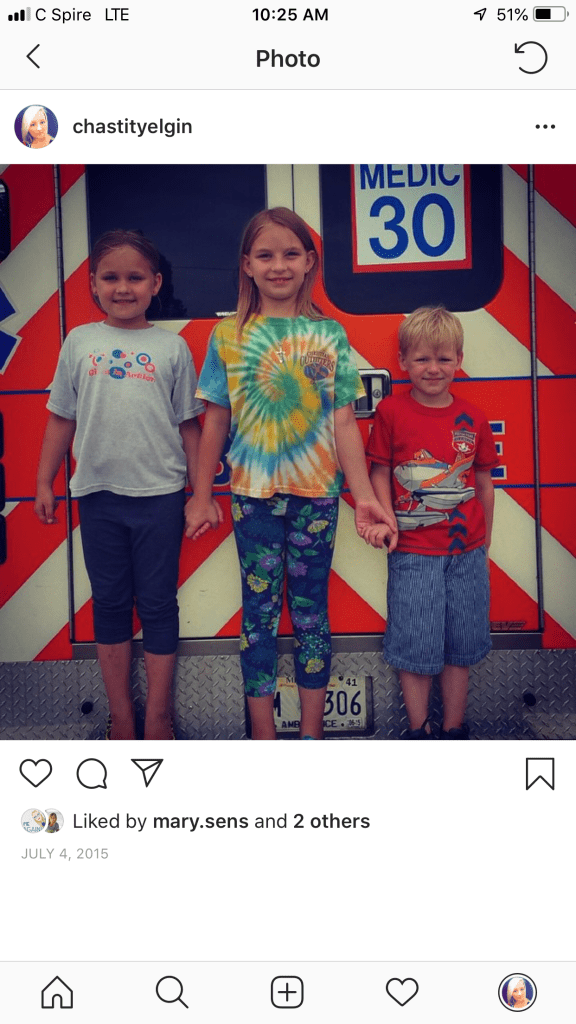
    My kids were 4,3,and 1 when I became a Paramedic. They are 18,17, and 14 now..

    My oldest is about to graduate high school. My middle daughter will walk the stage next year, and my youngest—my son—is almost 15. They’ve grown up with the sound of scanner traffic in the background and me rushing out the door before the sun comes up. They’ve learned to expect late dinners, missed holidays, and rescheduled birthdays.

    Sure, they take pride in what I do—there’s something special about being the kid whose mom drives an ambulance. But there were so many times when I pulled up to their school for lunch, a play, or an award ceremony… and the tones dropped before I could even get out of the truck. I’d cry silently on the way to a call, heartbroken that I missed another moment I couldn’t get back.

    I’ve since made a promise: if I can’t find coverage, I’ll call out for their events. Because as much as I love my job, they’re more important. My kids only get one momma.. EMS gets the rest of me.

    They’ve gotten different versions of me over the years. I can be overprotective. I’ve made them wear life vests in two feet of water. I slap on Band-Aids when they might have needed stitches. I overthink every cough, every fever, every bump on the head—because I’ve seen what happens when the worst-case scenario becomes someone’s reality. I know they get frustrated, but it all comes from love… and fear I want to be there for everyone. But I want to be there for them first.

    How Communities Are Affected  

    People don’t always understand the shortage until it touches their lives. But I can say with confidence: some have lost loved ones because help didn’t arrive fast enough. That’s not fear-mongering. It’s just the truth. Every minute matters in an emergency, and when no ambulance is available—or the closest one is 30 miles away—that minute becomes a gamble with someone’s life.

    I wish more people could see what we do up close—the good, the bad, and the beautiful. That’s why I love educating new EMTs, showing kids the truck, letting them flip the lights on, and answering questions about when to call 911. Those wide eyes might one day belong to a future paramedic. And maybe—just maybe—those small moments can help rebuild the broken pieces of this broken system. We’re not trying to be heroes. We’re just doing the best we can. But we can’t do it alone.

    Solutions in Sight – Where Do We Go From Here?

    The shortage of paramedics is real, and it’s affecting all of us. But it’s not all doom and gloom—there are steps we can take, both as professionals and as a community, to start moving in the right direction.

    Public Awareness: Knowing When to Call 911

    One of the biggest ways the public can help? Understanding when to call an ambulance—and when not to.

    We’re not saying don’t call us—we’re saying know when it’s truly needed. Every day, EMS responds to calls that could be handled in a clinic, urgent care, or primary care office. A sore throat that’s been there for three days? A stubbed toe from the night before? These aren’t emergencies. But they still tie up ambulances that might be needed for someone having a stroke or a heart attack.

    That’s where public education comes in. We need to do a better job of explaining what qualifies as a 911 emergency—and how to access care outside of emergency services. The more people understand how the system works, the better they can use it.

    When an ambulance is delayed because it’s transporting a stable patient with a non-emergency complaint, someone in a true emergency might pay the price.

    It’s not about blame. It’s about knowledge.

    The Rise of Advanced EMTs: A Bridge in the Gap

    With a nationwide shortage of paramedics, Advanced EMTs (AEMTs) are becoming a crucial part of the solution. AEMTs can do more than a basic EMT—they can start IVs, give some medications, and provide more advanced care in the field. They don’t require as much training as a paramedic, which means we can train and deploy them faster while still maintaining a high standard of care.

    They are the middle ground we desperately need right now—a bridge between the gaps left by paramedic shortages. And just like the rest of us in this field, they’re not here for fame or fortune. They’re here because they care. You don’t go into EMS for money—you do it because you have a heart for helping people on their worst day.

    Next Steps for the System

    Here’s what we can do moving forward:

    • Support EMS education by funding programs that encourage students to pursue this path.
    • Incentivize staying in the field with better pay, mental health resources, and room for growth.
    • Encourage career advancement from EMT to AEMT to Paramedic through streamlined training pipelines.

    • Push for public campaigns about 911 usage, emergency preparedness, and when to seek alternate care.
    • Partner with schools to introduce EMS careers early to students, sparking interest before they graduate.

    And one more thing—we need to show appreciation for every role in EMS, not just paramedics. EMTs are often the first step in the chain of survival. They’re the first faces people see when they call for help. They assess, assist, and transport patients with professionalism and compassion, day in and day out.

    And our EMS drivers? They’re the ones navigating traffic, dodging dangers, and getting us to scenes safely—often while we’re working in the back of a moving vehicle. Without them, none of this works. Every role matters. Every person counts. From the EMT fresh out of class to the seasoned paramedic on their final shift, and everyone in between—this system runs because of their dedication.
    We didn’t get here overnight, and we won’t fix it overnight either. But step by step, call by call, conversation by conversation—we can make progress. Because the truth is, EMS isn’t just about lights and sirens. It’s about showing up, every single time, even when it hurts. Even when we’re tired. Even when the odds are stacked against us.

    And with the right support, we will keep showing up.

    The Final Call – A Message to the Nation

    To the reader, if you’ve made it this far, thank you.

    Thank you for taking the time to learn about what it really means to be in EMS. Not the TV version, not the dramatic movie scenes—the real, raw, unfiltered truth.

    This blog isn’t just a collection of stories or complaints. It’s a lifeline. A plea. A call to action from the men and women who are out here giving it their all, day after day, shift after shift—with tired eyes, sore backs, and hearts that have carried more than they ever thought they could.

    This is a system that’s stretched thin. It’s bleeding. And it needs help.

    We Can’t Do This Alone

    It takes more than medics to make this work. It takes:

    • Policymakers willing to fight for better pay, benefits, and staffing.
    • Communities willing to support their local EMS teams and learn how and when to use emergency services.
    • Future generations willing to step up and carry the torch.
    • Families willing to understand the sacrifices made behind the scenes.
    • And it takes a country that sees us—not just as sirens in the distance, but as people with stories, families, and a mission.

    To My Brothers and Sisters in EMS

    This one’s for you.

    To the EMT running back-to-back calls in an underfunded system.

    To the AEMT filling in the gaps and going the extra mile.

    To the EMS driver who dodges cars, potholes, and chaos to get us there safely.

    To the Paramedic still wiping away tears from a call 10 years ago.

    To the medic who clocked in today knowing they’ll miss a birthday, a ballgame, or bedtime—again.

    You are seen. You are valued. You are essential. This profession is heavy, but it’s holy work. The kind of work that changes lives—sometimes in ways we’ll never fully understand.

    A Message to America

    So where do we go from here?

    We start by listening. By showing gratitude. By sharing what we’ve learned. By voting for leaders who will prioritize healthcare infrastructure. By supporting training programs and breaking down barriers to entry. And by never taking for granted the ones who show up when it matters most.

    The next time you see an ambulance pass, take a moment to think about who’s inside. Not just the patient—but the crew. The ones who left their own families to care for someone else’s. The ones running toward the unknown, because it’s what we do.

    This is the final call of this blog—but not the end of the story.

    Because the truth is, we’re still out there.

    Still suiting up. Still saying the prayers. Still taking the calls.

    And if we work together, maybe—just maybe—we can make sure there’s always someone to answer when the next call comes in.

    “Send Me”

    Then I heard the voice of the Lord saying,

    ‘Whom shall I send?

    And who will go for us?’

    And I said,

    ‘Here am I. Send me!’”

    — Isaiah 6:8 (NIV)

    A Favorite of mine——

    The Paramedic’s Prayer

    Lord, grant me the wisdom so that I may treat those of Your children who lay at my feet.Let me 

    see only a patient and not a crime,

    A person and not a circumstance.

    Help me to stay strong, so I may carry those who can’t go on,

    And to be gentle when life hangs in the balance.

    Give me steady hands, a calm heart,

    And courage beyond fear.

    When the call comes in and the sirens wail,

    Ride with me, Lord, through the chaos and the unknown.

    And when my shift is over,

    Allow me to return home safely to those I love.

    But if, in Your will, I should give my life for another—

    Then let me do it with honor,

    Just as You gave Yours for me.

    Amen.

    -author unknown

    So God Made a Paramedic

    And on the eighth day, God looked down on His planned creation and said,

    “I need someone to run toward danger when everyone else runs away.”

    So God made a Paramedic.

    God said, “I need someone strong enough to carry another’s weight—

    yet gentle enough to hold the hand of a dying stranger.

    I need someone to wake before dawn, work through the night,

    miss holidays, birthdays, and ballgames,

    and still be ready to answer the next call with compassion and grace.”

    So God made a Paramedic.

    “I need someone who can think clearly under pressure,

    drive fast but safe, lift without breaking,

    listen without judging,

    and care without question.

    Someone who will face trauma, tragedy, heartbreak, and horror—

    then somehow go home and kiss their kids goodnight.”

    So God made a Paramedic.

    God said, “I need someone who won’t back down from the hard calls,

    who will keep calm in the chaos,

    cry in silence when the world’s asleep,

    and still show up tomorrow to do it all again.”

    So God made a Paramedic.

    “I need someone with a soul tough enough for the streets,

    but soft enough to comfort the broken.

    Someone who will hold the line,

    even when no one’s watching.

    And who—when the final call comes—

    will stand ready, still willing to serve.”

    So God made a Paramedic.

    • Author unknown

    If you like my blog, be sure to share it 🙂 Thanks, Have a blessed day!

    Chastity Elgin

  • “I started my first Etsy shop of mom approved apparel!!”

    “No, You Don’t Need Another Amazon Haul. You Need This Etsy Shop.”

    Click here and tell me what you think!✨

    Let’s be real—mass-produced is out. Personality-packed, handcrafted, and actual vibe-worthy goods? Fully in.

    That’s where my Etsy shop comes in. Think of it as your online treasure chest of pretty, shirts and girlie things, lovingly designed to make your space, life, and soul a little more you.

    Here’s why people are adding to cart faster than a TikTok trend disappears:

    Every product is made with intention (not just slapped together for a sale). You’re supporting a real human, not a faceless corporation. Gifting? Handled. My items are basically personality in package form.

    And if you’ve been doom-scrolling for something that feels different, I made this shop for you.

    So stop shopping like your 2016 Pinterest board and step into your main character era. The shop is open, the goods are good, and your cart is waiting.

    My Etsy shop is ready!! 🩷✨

    Have a blessed night!

  • PTSD and EMS

    The nature of the work that EMS clinicians do—regularly facing high-stress, life-and-death situations, witnessing trauma, and working long, irregular hours—significantly contributes to mental health challenges such as anxiety, depression, and PTSD. The cumulative impact of these stressors also makes them more susceptible to burnout and increases the risk of suicide compared to the general population.

    There is help!

    Efforts to address these issues include promoting mental health awareness, providing access to counseling and peer support programs, and implementing organizational changes to reduce burnout.

    EMS Provider Health and Wellness

    “It’s okay, to not be okay….”

    Emergency medical services (EMS) workers face significant mental, physical, and emotional stress with every shift. This demanding profession is associated with high levels of stress, an increased risk of post-traumatic stress disorder (PTSD), and a high incidence of work-related injuries. These challenges contribute to elevated rates of suicide, burnout, clinical depression, and physical health issues that may eventually prevent EMS personnel from continuing fieldwork. Maintaining personal health and overall wellness—physical, emotional, and mental—is essential for sustaining long-term careers in EMS.

    EMS providers are highly trained medical professionals who support or operate as extensions of physicians, primarily in pre-hospital settings. The modern EMS system was established following the National Research Council’s 1966 White Paper, Accidental Death and Disability: The Neglected Disease of Modern Society. This report revealed high accidental death rates in the United States and emphasized the need for national, standardized, and advanced medical training, leading to the development of the National Standard Paramedic Curriculum.

    According to the U.S. Department of Labor’s Bureau of Labor Statistics, there were approximately 241,200 paramedic positions in 2014, with an anticipated job growth rate of 24% over the next eight years. Since its inception, EMS professionals have been recognized for their capability to assist patients in extreme situations, whether on busy highways in scorching heat, in remote farmlands during freezing temperatures, or in high-crime urban areas.

    The demanding environments, combined with high patient acuity and the adrenaline rush experienced while responding to emergencies with lights and sirens, have contributed to the perception of EMS workers as “adrenaline junkies.” These job characteristics often attract individuals with specific personality traits. Dr. Jeffery Mitchell identified common traits among emergency personnel, including a need for control, obsessive-compulsive tendencies, high internal motivation, action-oriented behavior, a need for stimulation and immediate gratification, susceptibility to boredom, risk-taking, a “rescue personality,” strong dedication, and a deep need to feel needed. These traits often drive EMS providers to continue working despite personal risk or harm.

    In addition to the psychological and emotional demands, EMS work is physically taxing. It is not uncommon for providers to be awakened suddenly and required to lift or move a 300-pound (136 kg) patient within minutes, without adequate time for stretching or warming up. Historically, many EMS agencies scheduled employees for 24-hour shifts, which, combined with low wages and the necessity of working multiple jobs, has led to significant sleep debt. Sleep debt is the gap between the amount of sleep an individual gets and the amount needed to avoid severe fatigue. More than half of EMS workers report insufficient sleep, poor sleep quality, and inadequate recovery between shifts.

    Addressing these challenges requires a comprehensive approach to health and wellness, focusing on mental health support, physical fitness, and adequate rest to ensure EMS workers can safely and effectively perform their critical roles.

    Follow my TikTok !

  • Dear young Paramedic,

    Congratulations! You’ve made it through medic school. A long drawn out process. So, you went to Paramedic school because you want to help people, or you want to make a difference. In your life, you have felt like life has been unfair at times, but you’ve made it. So many things you haven’t understood. How can dad’s decide they want a different life? How can siblings leave you, and act like they wasn’t sitting on a trampoline in the front yard with you giggling, or little brothers decide to choose their wife over you? After all, you pushed him down a gravel driveway in a dump truck for Pete’s sake. How can families not be together anymore?

    Life is unfair, and you about to see just how unfair it can be.

    You want to make a difference, you want to hold hands, and offer comfort to others that are suffering, or fix broken parts of your own life by showing some compassion to others that maybe didn’t get it as a child? After all , your mom showed you she loved you? She combed your hair just right and sprayed it with the best hairspray to give you that puff in the front. Your dad fixed you coffee with more sugar than coffee before he went to work? Your sister sang on the kitchen table to Reba, and you laughed. Your little brother grew up at your house, and brought you chicken from the local restaurant, and had your living room full of his friends playing video games.

    So you want to make a difference? You want to learn everything you can about your mom’s seizures, because you won’t allow her to hurt or be in any distress and not know what to do. You have to have the knowledge to help her with her multiple sclerosis, because you will not allow her to go to a nursing home. You want to know everything there is to know about your little boys asthma, because after all, not being able to breath is a big ordeal.

    You know how to control bleeding, you can read cardiac strips, and intubate. You know how to do CPR, and deliver a baby. You can start an IV going down the road, or a dark, non lit house. You should be proud of yourself.

    You’ll get pretty good at reading people by their tone of voice, and facial expressions. You will automatically start assessing everyone you meet, whether you are just talking about the weather, or what your kids are doing this weekend. A few years down the road, you will have figured out how to draw up medication, one handed, and did I mention going down the county roads, because you were taught how to draw up medication sitting at a desk in school.

    You’ll find certain smells that you can’t help but gag at. You are human. You’ll find ways to mask the smells, with menthol vapor rubs in your nostrils, or rubbing alcohol works wonders. You’ll figure out how to get blood out of your tactical pants, with peroxide.

    Oh the places you will go…

    I’m not talking about the Dr. Seuss book. I wished I was, but honey you will find people live different. Houses where the roaches are out during the daytime, and garbage that hasn’t made it to the road in months. You will care for those folks, and do it with a straight face. Jesus loves us all, remember that. I don’t think he approves of filth, but he loves them just like he loves you. You don’t know why or how they got in this position, but maybe their house is a representation of their mind.

    You’ll go in the houses of the rich, where you feel like you need to take your shoes off and you’ll go in the houses of the poor where in the winter, you are freezing , and their heat source comes from the stove, but remember they called you, and you are there for a reason. It might not be an emergency to you, but it is to them, so treat it like one.

    For the most part, they trust you. You are going to have people that don’t trust you, but you are going to need to be nice, remain respectful. When you get an elderly patient, with a UTI, Remember, they don’t realize they are being mean, but I know , you didn’t learn that in Paramedic school. You are going to be in places that you never imagined, from crack houses to back seats of crushed cars. Watch for the glass, and try not to stay in the car long. Get the patient out as safely as possible. You are going to meet a lot of people that want to help, and most of them are volunteering, so don’t disrespect them either. When you are in the middle of nowhere and a guy with two radios and fire gear shows up, let him help. He will become family to you.

    You are going to be on some roads that you didn’t even know existed, and you will wonder at times if they are even on a map, a lot of times they might not show up on your gps, but try to look for the house numbers , that are sometimes wrote on the end of a trailer with a sharpie. I’m being serious, not all house numbers are listed and when folks start coming out they are going to ask you for a name. Be nice, just tell them you didn’t get a name. You will find someone outside, waving you down, or doing an ambulance dance, also resembling jumping jacks. You might not be able to get close to the front door, because the home health nurse’s car will be blocking the driveway, or the family members cars, these are the ones with flashers.

    Did I mention, don’t plan anything on the days you work for after you clock out? You are more than likely going to get a late call if you do.

    Occasionally, you will come to work and be able to take a nap, or watch some movies on your phone, some days are slow, and you might not even start an IV, or turn the lights and sirens on. You are going to have some patients that you see often, and they depend on you. Sometimes they call because they are scared, or lonely. They know your name, or if you look sad, and they know if you care. They will ask you about your family, and you will get to know some of their family. I’m sure Paramedic school didn’t teach you this, but add it to the list. When these patients do get really sick, it often happens quickly, and you may even get frustrated at times, over their repetitive calls, but don’t. They see you different. One day, they won’t be calling anymore, and you will worry about them. You will sometimes give your lunch or snacks away to people that are hungry, when you haven’t eat. You will either order them door dash, or maybe bring them thanksgiving if you are off, you will worry about complete strangers when it’s cold or hot, because you know their house isn’t fit for bad weather.

    You will pray, a lot!

    You are going to need your faith, faith in God will be the only thing that gets you through some days.

    Don’t stop caring though, don’t let the work beat you down. The first time you see a lady die that just gave birth to a baby, and her family left to go across the road to pick her up some food, her phone ringing is going to break you. It’s going to change you. Your legs will shake, your heart will pound and you are going to have so many questions , but don’t stay this way long, you have another call holding. You’ll never forget that moment though.

    When you go to a domestic disturbance, you are going to get angry, you are going to see a side of yourself, you didn’t realize you had. You will become an advocate. Hold on, no one told you that in paramedic school either. You are going to beg her to leave and tell her every reason she don’t deserve the abuse, only to go back to her later, maybe a few months later where she is so traumatically injured, that she isn’t recognizable, and you are going to get angry. You’ll never loose that memory of her.

    Later on, a few months later, you will respond to a CPR in progress call, you will perform CPR on a young adult, where you look up to see their child watching you. I promise , it will take some time to get past this one, especially when you realize, they didn’t make it. You’ll wonder about this child ten years later.

    You will witness a newborn stop breathing and become limp, with the new dad following the ambulance, and deliever a baby that came too early, and for a little while it will change the way you look at babies. Don’t give up though.

    You will go through a pandemic. What ? Yeah, you will learn of a new disease like the flu, that the whole country will have never heard about. You will have to dress in hazmat gear to enter houses. You will not have enough oxygen to save them. You will go to work when everyone else is staying inside. You wanted to make a difference, you tried your best. After you see more people die in a two week period than most do in their lifetime, you will break. You will crumble , and run far away from it. You will go try a new career, making people feel better, completely out of healthcare. Did I mention, you will fix hair? Crazy , right ? But you can’t handle the person you were becoming. Cold, and numb to not feel hurt. You won’t even be able to feel happiness, but if you feel at all, you let the wall down to all emotions. Don’t give up though, you got to keep going

    Less than a year after doing hair, you will be able to go back, you will miss helping people, or trying to anyway. When you go back, you will get the swing of it real quick. You will work hard and try you best to be compassionate and feel everything, good and bad.

    Did I mention it got a lot busier? A lot of your coworkers have changed to, they are burnt out from the pandemic. You will be used by the public for a ride and drug abuse is at an all time high. Narcan is like candy, and you will witness a lot of overdoses, and several of these folks are young, and left to die by their supposed friends. You will also have to learn how to tell family members with compassion that there is nothing you can do to help them, and ask which funeral home they want. No one taught you that either. You are getting older now, and some calls will cause you to cry when you are cleaning up the battlefield in your ambulance when the struggle of saving them was a fight, but you will have made it to the hospital . You will watch family members kiss their loved ones on the forehead and trust you to care for them, for them to be talking to you and tell you they are dieing, to only realize 10 minutes later, that they knew it. Always believe them, when they tell you they are going to die.

    You will have a few slow months, and you will laugh and be silly, but one day you’ll have another call that adds to the trauma. You will work another pediatric death that changes you. You will cry, you will feel like you’ll never be normal again , and you won’t know how you will make it, but you will. When your kids ask about your day, you will tell them it was okay. You will cry in the bathtub, as tears fall from your face to the floor, and you will have random anxiety attacks for a while, but you have to keep going. You want to make a difference, you want to save the world.

    You will grow in your faith, and realize it’s okay to not be okay. You will realize that you can only do so much, and as long as you do your best, that is all you can do. You can’t do it on your own, you are God’s tool. Have faith, pray, and get in your Bible. God never promised us an easy road, he just promised to be with us. When you find your strength in him, you will realize also that God placed you at every call you went to. He strategically planned for you to go, because he knew you could handle it.

    He went to the wilderness and was tested by the Devil. He shut the lions mouth to keep Daniel safe. He protected men from fire because they trusted him. They escaped without a burn. He healed so many people because they trusted him, and just the touch of his robe healed a woman that had been bleeding for days. He made a paralyzed man walk. He walked on water. So imagine what he’s going to do with you!

    Sincerely.

    Older wiser Paramedic

  • Break? Is there such a thing?

    Do you need a break? From what?

    I need to go to the beach, when it’s warmer of course, and sit back and close my eyes. I could only image the sun hitting my skin, and a breeze. Life is just chaotic sometimes. The hamster wheel I feel like I’m on the last few weeks, needs to slow down. The stress of two vehicles messed up at once. My middle daughter’s perfectly good car was hit, while she was sitting still- thankfully she wasn’t injuries. The oldest daughter’s car has had one thing after another between a heater cord, and a chain being broke by the engine. I go to finally cash an insurance check , from a well known insurance company so I can purchase another car, only to be treated like an outcast, and my bank wouldn’t cash it , Walmart wouldn’t cash it and I finally get it cashed after paying $218 fee.

    The folks that cashed it did everything but ask what color socks I was wearing to verify it was a good check.

    Fast Forward, whatever ever days I haven’t been working, I’ve been doing orientation for a new company that is taking over or ambulance service. Granted, they are 10x better, but I’m tired.

    Regular household chores, and online college courses- I’m ready for a 12 hour nap. I wouldn’t trade my title as mom for anything else. I love my kids, but I’m tired.

    Come to me, all you who are weary and burdened, and I will give you rest. Take my yoke upon you and learn from me, for I am gentle and humble in heart, and you will find rest for your souls.

    Matthew 11:28

  • God’s Plan was not my plan…..

    When I went through Paramedic school in 2014, it wasn’t exactly my plans. I started college at 16, most don’t know this, because my mom had a stroke and she has multiple sclerosis. I wanted to gain as much knowledge as I could to always be able to take care of her. My dad left, after 17 years of marriage and she needed help in multiple ways. My siblings were both younger than me and I wanted to make sure they got to school and back and they both successfully graduated high school.

    I was a straight A student, but…

    I quit school, to be able to help with my brother and sister, with intentions of doing homeschool. Homeschool on my own was not ideal, and I made good grades, so I took My GED and started college courses. I had no idea what I wanted to be, but knew I wanted to help others. I suck at math, so I struggled time after time to try and get into the nursing program. I took EMT basic as an elective, but quickly felt called to continue my education and gain my Associates in Paramedicine. I had a few years where I worked full time and had kids that made my process a long one. I applied for LPN, and RN programs , too many times to count. I got alternate a few times but never accepted.

    God’s Plan…

    You see, Gods plan was for me to continue emergency medicine, in the chaos, and to be with folks on their worse days. Offer compassion, and be kind to folks that never experience it. Being in EMS , we are with folks that are scared, anxious and need to just know someone cares. I couldn’t tell you all of the times that I’ve been in the right place at the right time, or the times God has protected me, when I’ve been off during a tragedy that I don’t know how I would’ve handled it.

    All the times, I felt I couldn’t handle a situation though, God could. There has been times, I’ve cried and wanted to scream to wish I hadn’t witnessed the tragedy and pure evil that I witness at times. I’ve thought I’d never be the same after some occurrences, but God steps in an eases my mind. When I went to Paramedic school, I was timid and didn’t have much self- confidence. I also had three small children, and going to school full time, trying to study or even have gas to make it to school was a task within itself. I did my best, I studied and I lost sleep plenty of nights. When I went to clinicals, I had the best preceptors. God chose exactly who I needed to guide me, and show me the ropes. All along, I had one goal in mind, and it wasn’t to just finish Paramedic school, it was to learn whatever I needed to learn to be able to make a difference. Sometimes there is absolutely nothing we can do, if it’s someone’s time to go, we can’t stop it.

    I’ve been called green, naive and even told that I would be eaten alive by EMS folks when I started working full time as a medic. When I finished Paramedic school, my Instructor said she watched me grow a backbone. I didn’t exactly know what that meant until I realized I could advocate for my patients in front of a doctor, or abusive family members. I have a strong passion for advocating for others when they can’t for themselves, and I take my care very personal. Sometimes this is a great skill, and great attribute;but other times this is terrible because I beat myself up, more than anyone ever could.

    I’m always replaying calls, and trying to figure out if I could’ve done something different. God gave me the gift of discernment, and I know when something isn’t right.

    My heart has broken over the years, and I even took a break from EMS during the pandemic, because yes, I signed up to help people, but nothing could have prepared me for the devastation that Covid brought.

    We saw folks dropping like flies, because they didn’t want to burden anyone, they didn’t want to get shipped to another state for care, and they didn’t want to have family get sick trying to help them.

    It was 8 lives, 8 people that I saw die in a two week period that broke me. I couldn’t handle that fact that I felt helpless, hopeless and like a no good Paramedic. There was not enough oxygen, not enough medicine, not enough anything to help these folks. We had oxygen but after researching Covid, I realized the alveoli that protect the lungs fills with fluid, or becomes destroyed and there is no way to get ahead of it when it starts to take over. Oxygen can’t get through, and all of the organs begin to shut down when the blood can’t get oxygen to them.

    I left, defeated and broken.

    I didn’t know who I was , I had been “Chastity , Paramedic”, for years and my identity was tied up in what I did for a living . God showed me that I was HIS, and I wasn’t putting him first, or realizing that I was just his tool-he was the savior.

    I went back to working on the ambulance about a year later with a different mindset. I pray on the way to work that God will put me where he needs me, and show me what he needs me to do. I pray for others to see God in me, and show compassion to the lowest man on the totem pole, to the highest. I don’t care if you are black, white, blue, or green. God made us all!

    I will always try my best to do whatever I can for my patients. I will always care for others just like I’d want to be treated. I have good days, and bad. I wear my heart on my sleeve, but I am always learning and reading to have the knowledge to face any task.

    When I am given a call, I look at it with one perspective, and that is that God gave me that call for a reason. I don’t always know the reason, but God does. I pray that I never grow weary of doing what he wants me to do.

    I’m so thankful, we just got the opportunity at my place of employment to join an amazing ambulance service. I don’t think it’s a coincidence that “In God we Trust!” Is on the trucks. I have the opportunity to grow, and a system in which I have equipment and supplies that will be available for me to do whatever God needs me to do.